Steel Scaffolding
Coupled vs Coupled Scaffold Systems: Load and Cost
Coupled scaffold systems differ in joint design, affecting load capacity and erection speed. This comparison weighs tube-and-coupling, tube-and-pin, and hybrid options
Practical guides on steel scaffold systems, tube and coupler types, erection methods, and component selection for construction sites.
Coupled scaffold systems differ in joint design, affecting load capacity and erection speed. This comparison weighs tube-and-coupling, tube-and-pin, and hybrid options
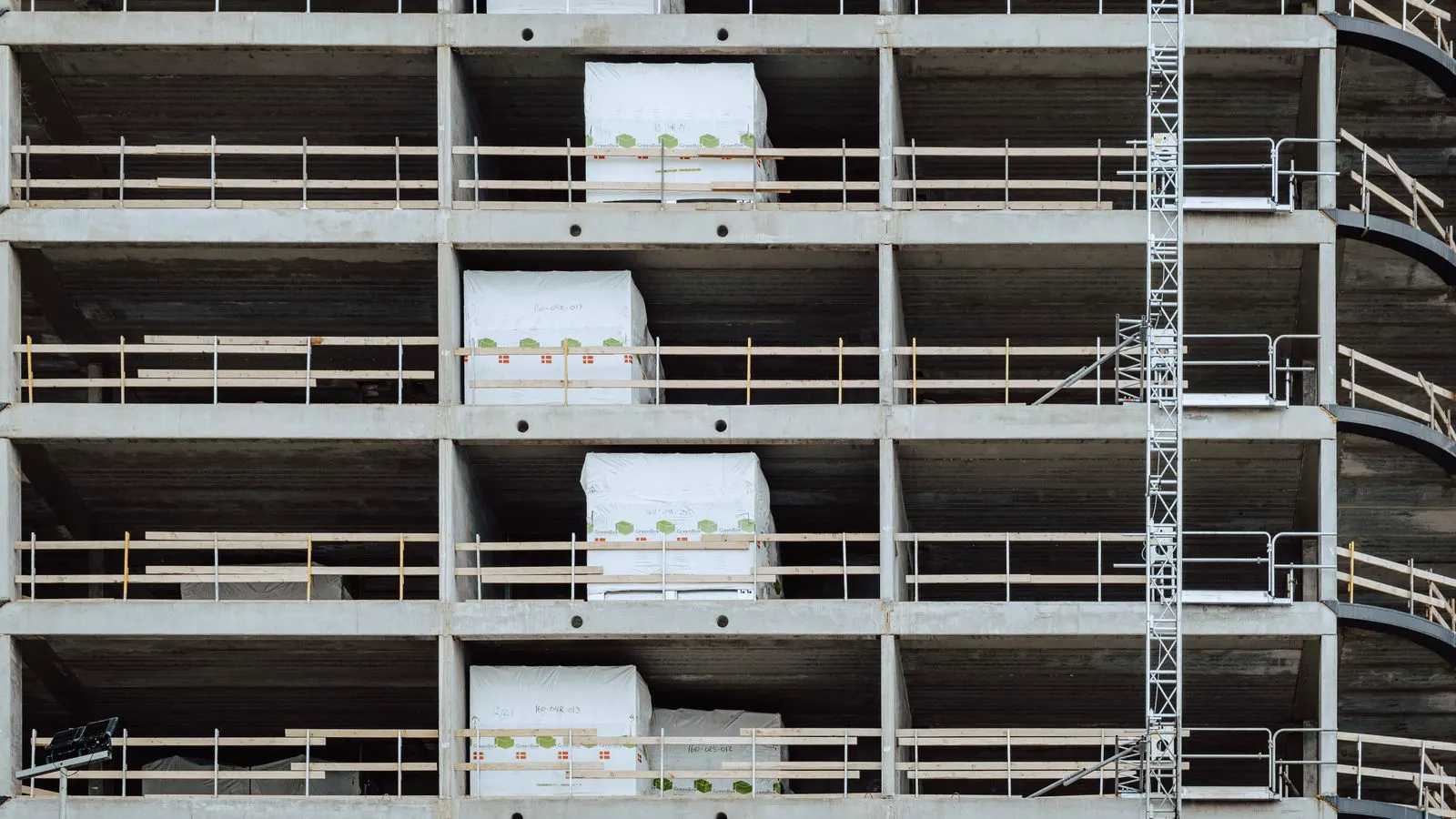
This checklist helps you confirm base plate and sole board sizing, ground bearing pressure, and component condition before erection. It covers load checks, material
This guide details how to evaluate supplier credentials, verify product compliance, and apply export quality control checks before importing steel scaffolding systems
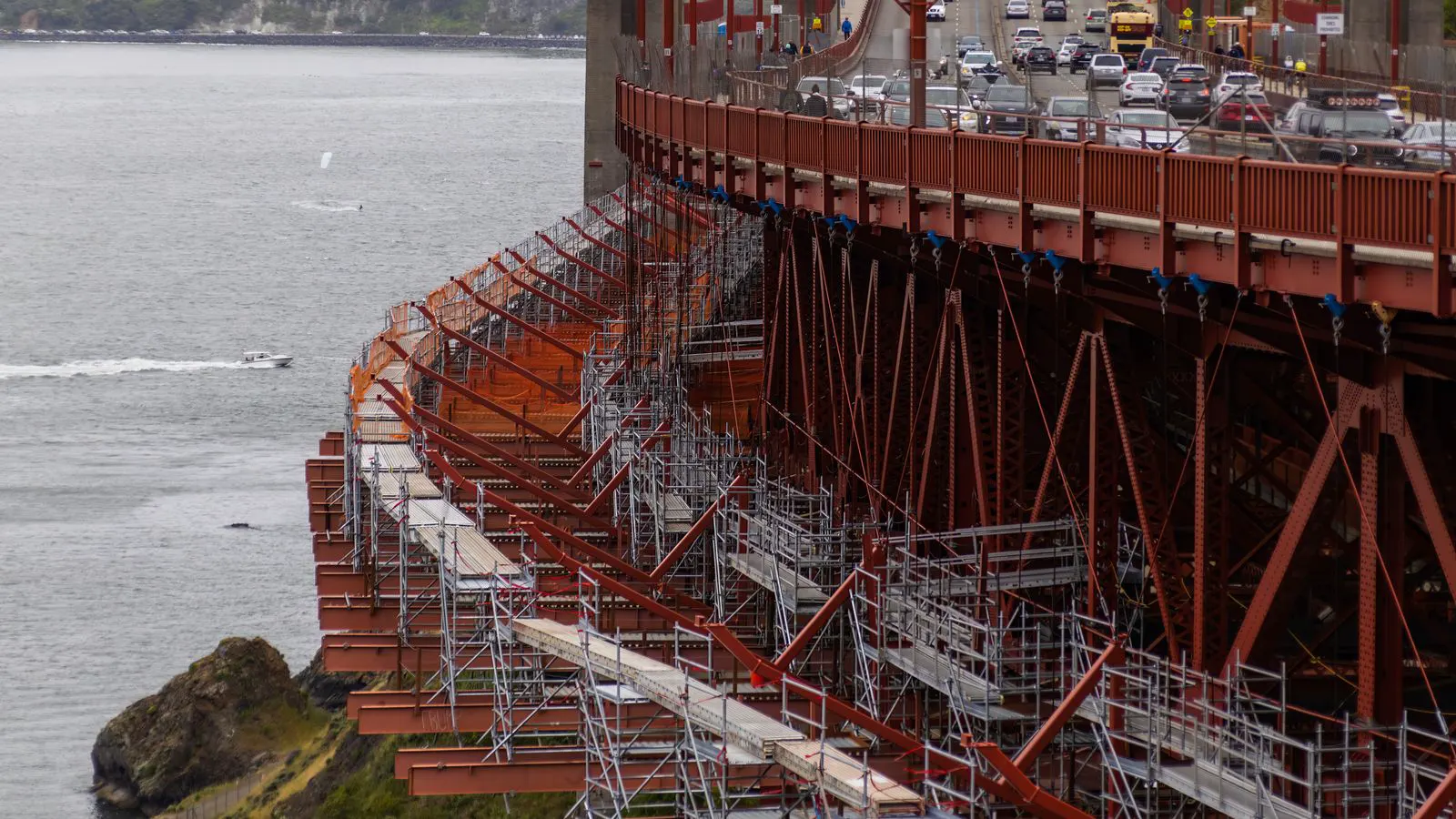
Buyers should plan for digital component tracking, modular design standards, and reusable steel scaffolding systems. These shifts reduce waste, improve safety, and lower
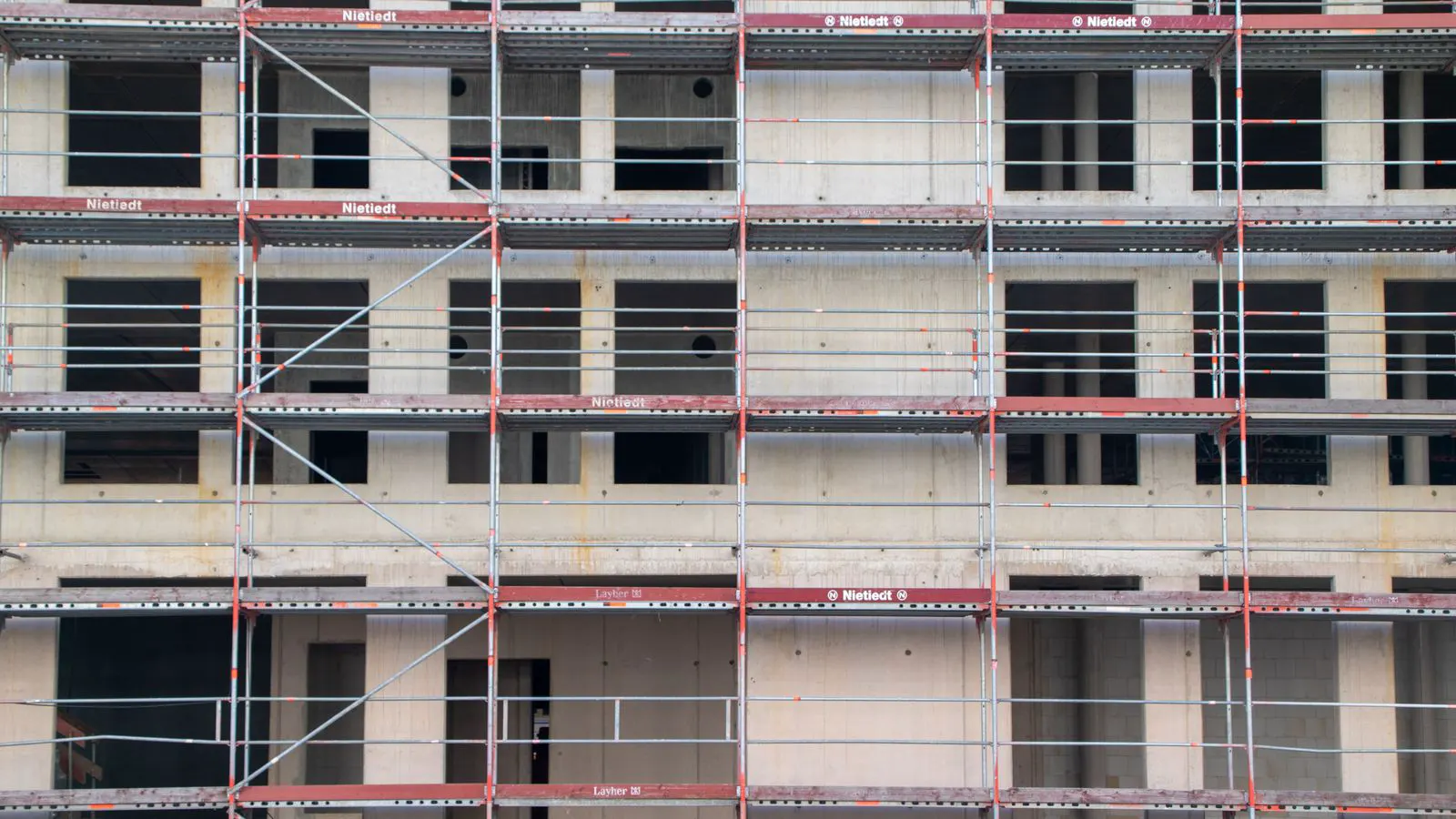
A scaffold safety checklist prevents failure by verifying component condition, site readiness, and inspection status. This guide provides a numbered, thematic audit to
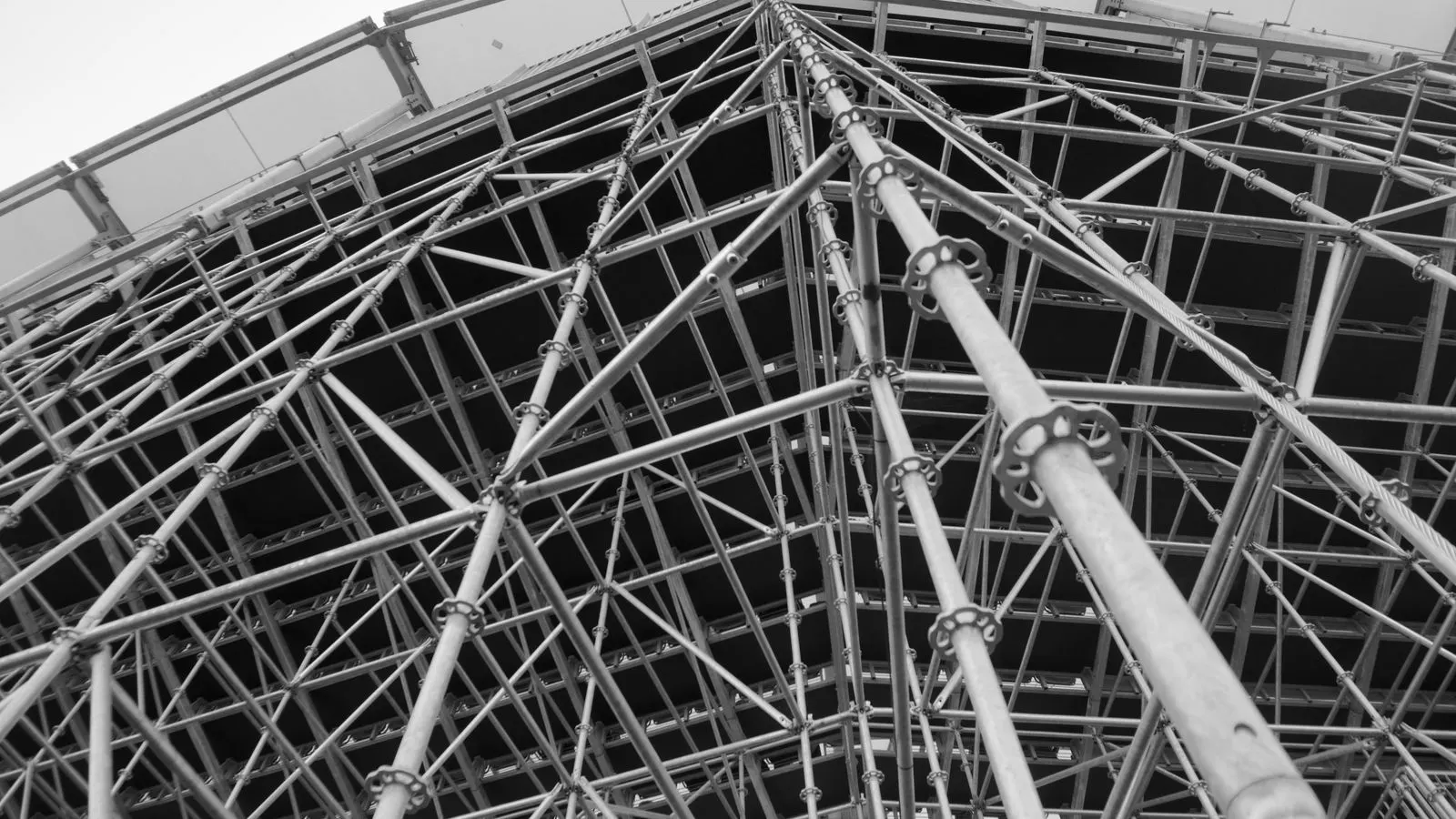
This guide explains common steel scaffold parts and how they affect sourcing. You will learn which specifications matter when writing orders for tubes, couplers, boards
Importing bulk steel scaffolding requires tracking freight, tariffs, and supplier terms. This guide explains how to estimate scaffolding import cost, manage lead times
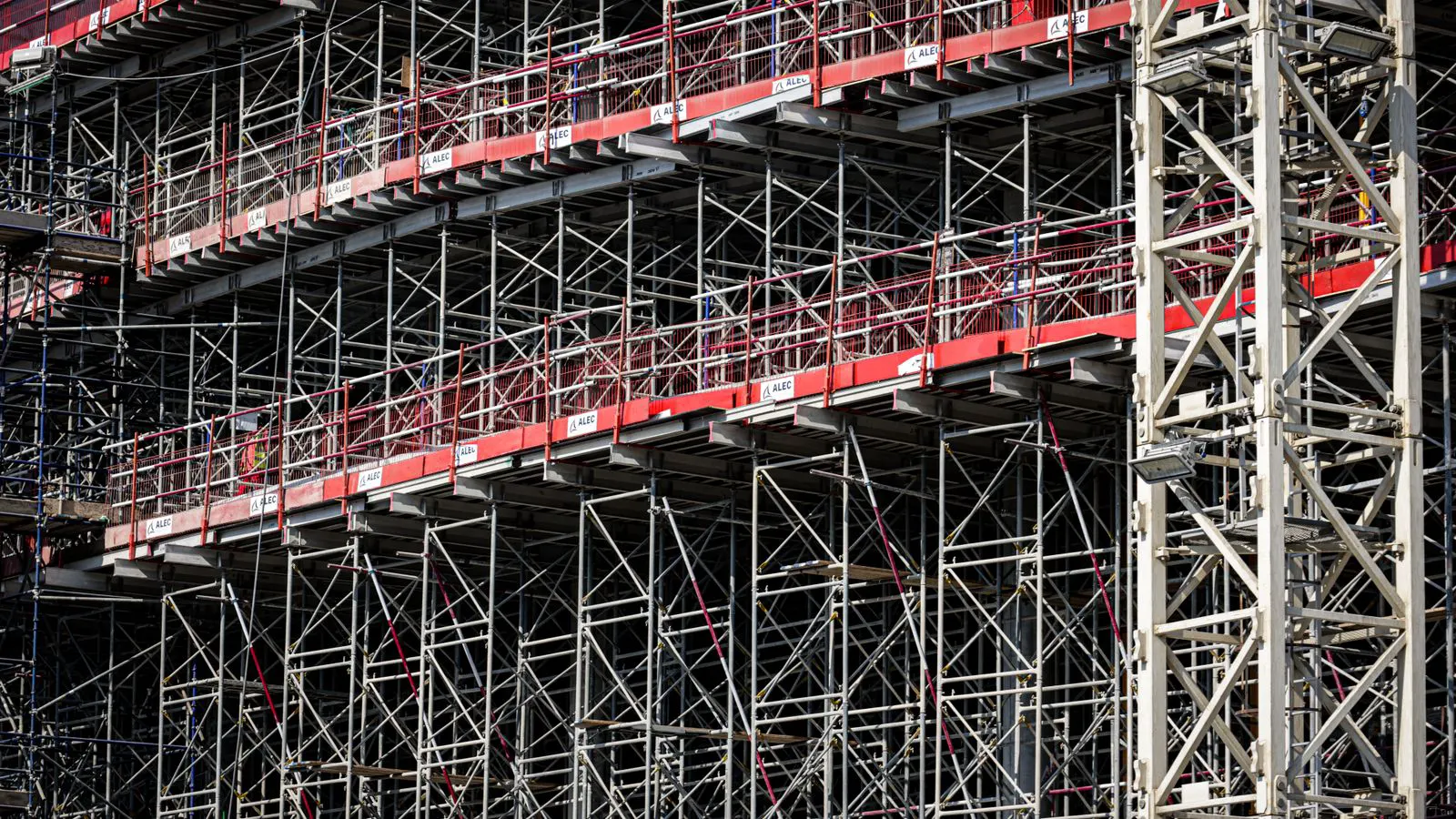
Tube and coupler suits irregular sites and short-duration work, while h frame offers faster, more rigid setup for flat, large-area projects. The best choice depends on
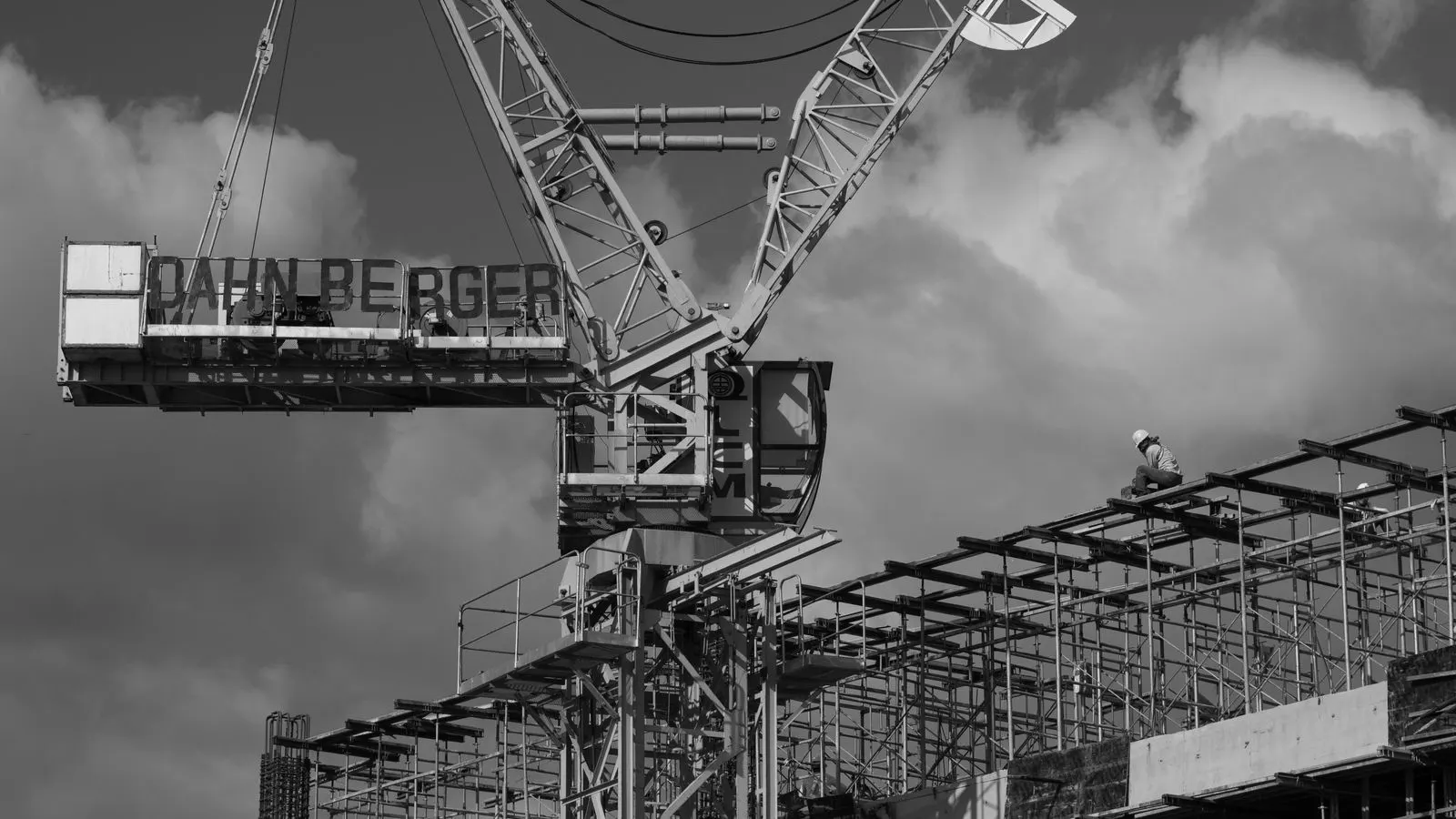
Tower scaffolding erection follows a strict sequence: verify the site, set base plates, erect standards, install ledgers, and lock in guardrails. This step by step guide

Loose couplers and scaffold sway signal failing connections that compromise load paths. Inspect coupler pins, check torque, verify base plates, and lock loose components