
Steel Scaffolding
How to Erect a Tower Scaffolding System in 5 Steps
Tower scaffolding erection follows a strict sequence: verify the site, set base plates, erect standards, install ledgers, and lock in guardrails. This step by step guide
Practical specs, safety checks, and supplier guidance for scaffolding and formwork.
Buyers in scaffolding and formwork face decisions that affect site safety, project timelines, and budgets. You need to compare supplier capabilities, verify material specifications, and understand the load limits that apply to your specific structure. This site provides the technical context needed to evaluate quotes and manage on-site requirements without relying on vague sales language.
The content covers the full scope of structural support systems, from steel scaffolding and aluminum formwork to shoring and props. It addresses the practical questions that arise during procurement, inspection, and installation. You will find clear explanations of standards, inspection protocols, and cost factors that help you make informed decisions with your suppliers and engineering teams.
Start with the stage of the sourcing process you are in.
Practical guides on steel scaffold systems, tube and coupler types, erection methods, and component selection for construction sites.
Clear explanations of aluminum formwork panels, reusable systems, edge profiles, and selection criteria for concrete construction.
Detailed information on shoring types, adjustable props, beam shoring, load ratings, and safe setup practices for structural work.
Guides on calculating scaffold and formwork loads, working loads, safety factors, fall protection, and safe working practices.
Overview of common scaffolding and formwork standards, inspection checklists, certification requirements, and compliance basics.
Helpful insights on scaffolding and formwork rental pricing factors, cost comparison, budgeting, and long-term purchase considerations.
Practical criteria for selecting scaffolding and formwork suppliers, including quality, support, delivery, and technical capability.
Tower scaffolding erection follows a strict sequence: verify the site, set base plates, erect standards, install ledgers, and lock in guardrails. This step by step guide
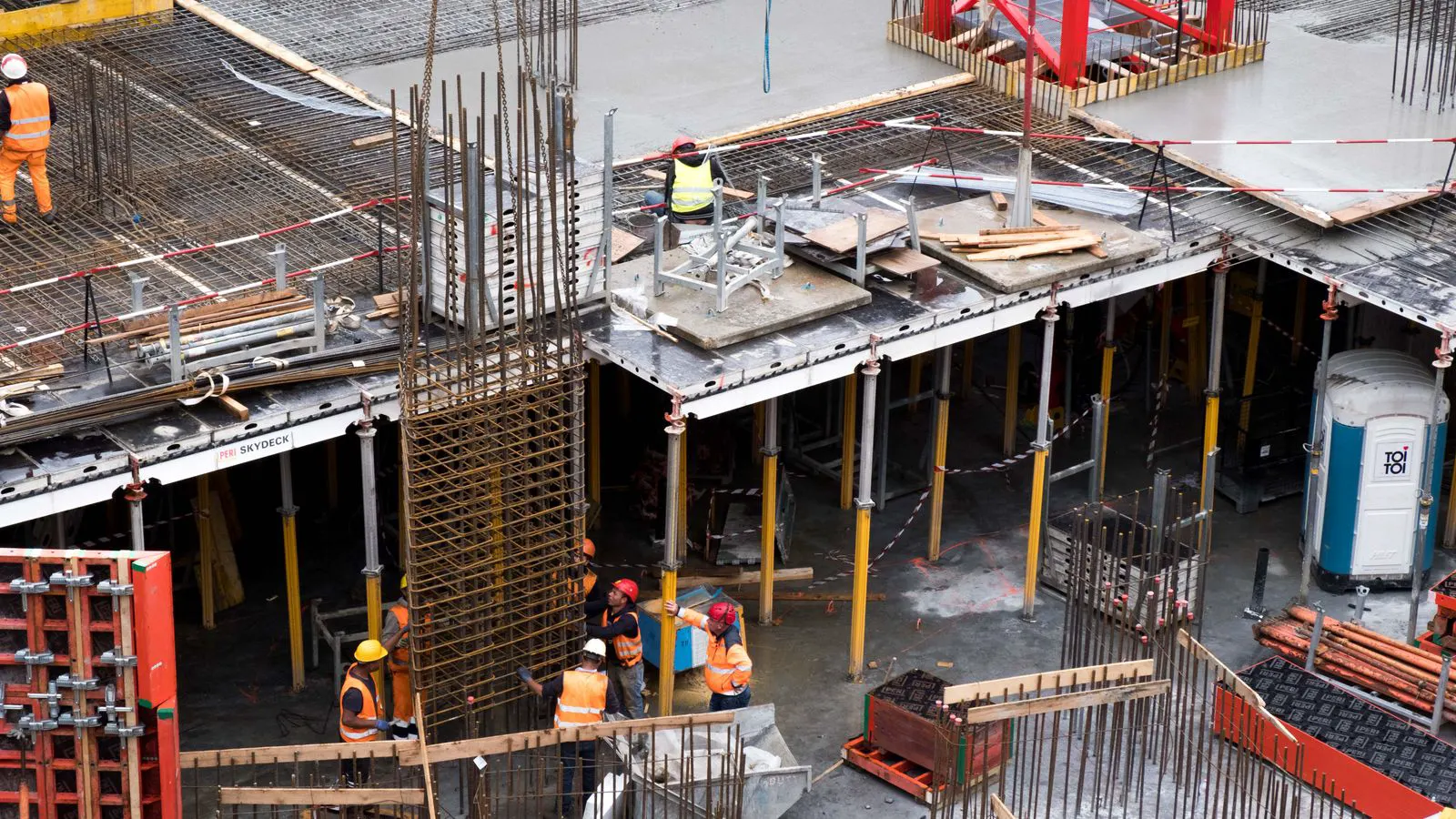
Verify beam shoring supports before pouring concrete. Check prop spacing, base plates, and vertical alignment. This pre-pour shoring inspection ensures load paths are

Assessing formwork supplier technical support requires checking engineering capability, on-site response time, and documentation. A strong evaluation process ensures the

Loose couplers and scaffold sway signal failing connections that compromise load paths. Inspect coupler pins, check torque, verify base plates, and lock loose components
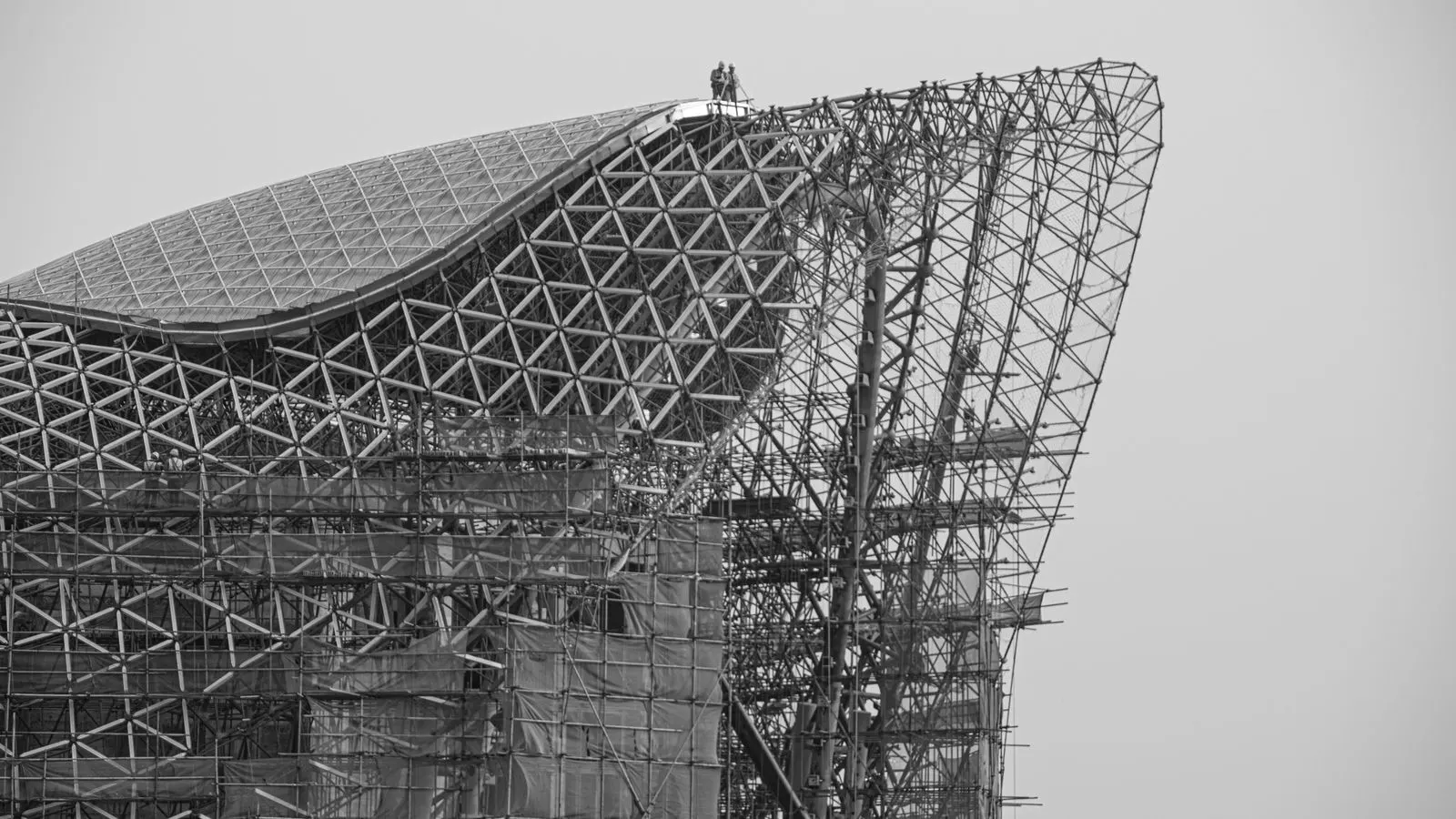
Lead time directly changes scaffolding rental cost. Shorter booking windows usually increase the final price due to logistics and availability. A clear RFQ with site
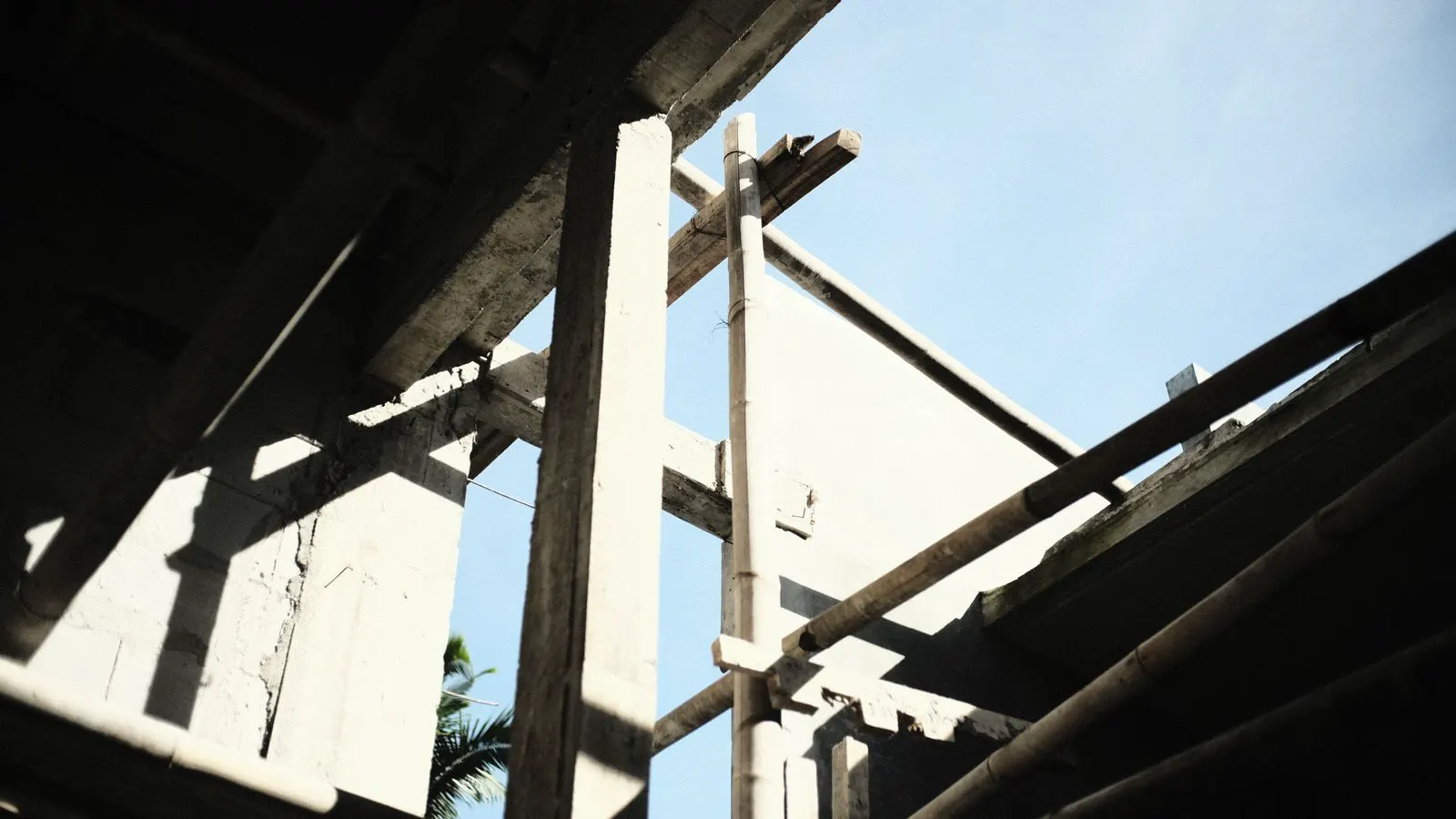
Setting adjustable shoring props involves preparing the base, establishing alignment, and applying load gradually. Correct installation prevents slab deflection and prop
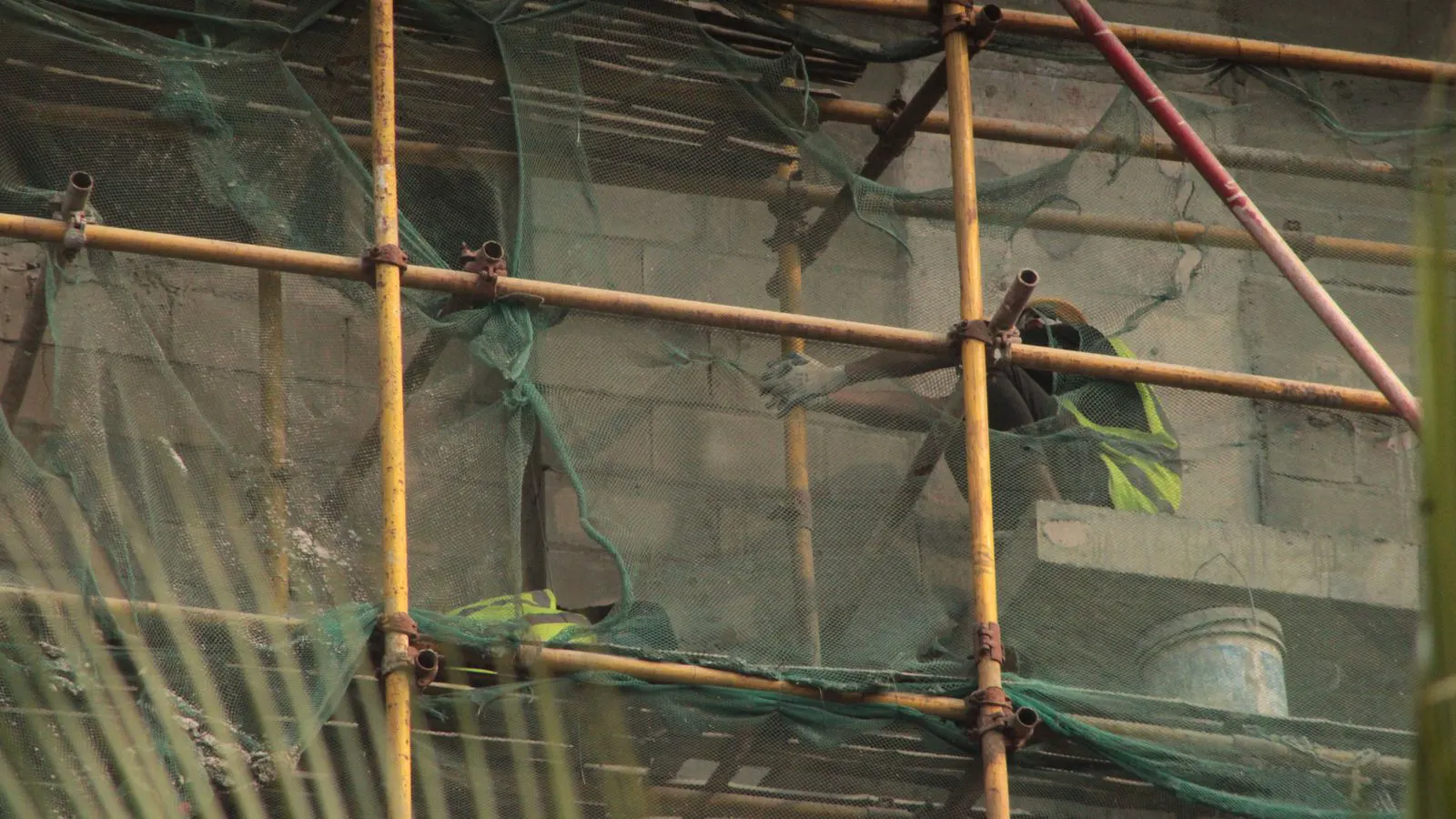
To calculate scaffold load capacity, identify the system type, determine the maximum design load, apply safety factors, and verify the final working load limit against

European formwork follows EN 746-1 with strict CE marking and load documentation. Asian markets vary widely, often relying on local codes or project specific approvals.

Aluminum formwork often costs more upfront than steel but typically arrives faster, reducing labor hours and site dwell time. The total cost depends on panel weight
Steel formwork is generally heavier but offers higher load capacity and durability. Aluminum formwork is lighter, easier to transport, and often has a lower initial cost, but it may require more frequent replacement due to wear. The choice depends on project scale, load requirements, and budget.
Load capacity depends on the design specifications, material grade, and configuration of the scaffolding. Check the manufacturer's technical data sheets and ensure the system is rated for the specific loads it will support. Always include a safety margin in your calculations.
Look for suppliers who adhere to recognized industry standards for scaffolding and formwork. These standards cover material quality, manufacturing processes, and safety requirements. Request documentation that confirms compliance with these standards.
Inspection frequency depends on the type of structure, its usage, and local regulations. Generally, scaffolding and formwork should be inspected before each use and after any significant changes or damage. Regular scheduled inspections are also recommended to ensure ongoing safety.
Common mistakes include underestimating load requirements, ignoring the supplier's track record, and failing to account for lead times. Always request detailed specifications and case studies from previous projects to verify the supplier's capabilities.
Renting is often cost-effective for short-term projects or when formwork is needed for a limited duration. Buying may be more economical for long-term use or high-frequency projects. Consider the total cost of ownership, including maintenance and storage, when making this decision.