Checklist for Assessing Formwork Supplier Reliability
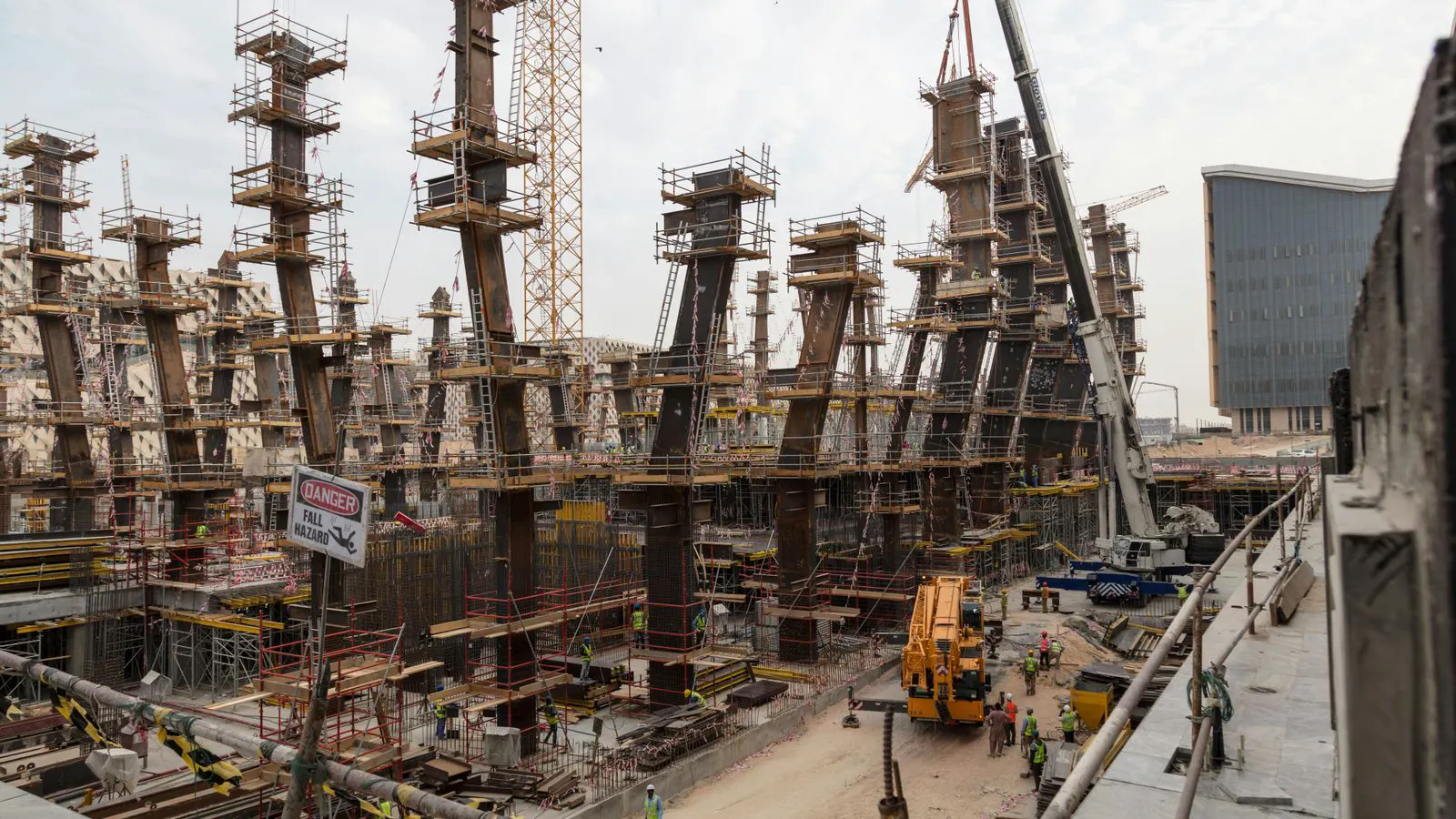
Assessing a formwork supplier requires checking safety records, technical support, and consistency of material quality. This checklist helps procurement teams verify that a vendor meets project standards and delivers on time.
- A structured formwork supplier evaluation reduces the risk of material failure and project delays.
- Consistency in material specifications and packaging is a stronger indicator of reliability than a single delivery.
- Technical support quality should be tested during the trial phase before finalizing contracts.
- Document every audit finding to create a baseline for future procurement decisions.
- Verify that the supplier can provide traceability data for every batch of formwork delivered.
Why consistency matters more than a single good delivery
A supplier can deliver a perfect first batch and still fail on a large project. Formwork systems are used repeatedly, and any weakness in the design or manufacturing process will appear after dozens of cycles.
Procurement teams often focus on unit price first. That is a mistake when evaluating reliability. The goal of a formwork supplier evaluation is to verify that the vendor can maintain quality, meet deadlines, and support the site team when problems occur.
This checklist is grouped by theme. Work through each section before signing a long-term supply agreement. Keep the results in a shared document so that all stakeholders can review the findings.
1. Safety and compliance documentation
Start with the paper trail. A reliable vendor has a complete set of documents that are easy to find and update.
- Request the current safety data sheet for all material types.
- Ask for certificates of conformity for recent production batches.
- Verify that the supplier maintains a quality management system that is recognized by major industry bodies.
- Check if the vendor has a documented process for handling non-conforming products.
- Review their accident and incident reports from the past three years.
Red flags:
- The vendor cannot provide a certificate of conformity for a specific batch number.
- Safety data sheets are outdated or missing for certain coatings.
- The quality management system is not audited or updated regularly.
- There is no clear process for recalling defective stock.
A supplier that hides or delays these documents is a risk. If they cannot prove their products meet standards, how can you trust the product on your site?
2. Technical support and engineering capability
Formwork is not just a material. It is an engineered system. The supplier should be able to answer technical questions quickly and accurately.
- Test their response time with a specific engineering question.
- Ask if they provide load calculation support for complex formwork designs.
- Check if they have a dedicated technical support line for site engineers.
- Verify that their engineers have direct access to the manufacturing floor.
- Review their process for handling design changes or site modifications.
Red flags:
- Long delays in responding to technical questions.
- Engineers who cannot explain how the formwork supports specific loads.
- No clear process for approving design changes.
- Reliance on generic answers instead of project-specific guidance.
A good supplier will treat your project as a technical challenge. A weak supplier will treat it as a sales opportunity. The difference shows up in the quality of their answers.
3. Material quality and consistency
Formwork must perform the same way every time. Inconsistency in material properties leads to leaks, deformation, and damage to the finished concrete.
- Request sample panels from two different production runs.
- Compare the surface finish, edge quality, and coating thickness.
- Ask for the raw material specifications and mill certificates.
- Check if the supplier uses a single source for critical components.
- Review their process for inspecting incoming raw materials.
Red flags:
- Noticeable differences in coating thickness between samples.
- Inconsistent edge quality or weld seams.
- The supplier uses multiple sources for the same component without explaining why.
- No visible inspection records on the production floor.
A supplier that controls its raw material sourcing and inspection process is more likely to deliver consistent quality. This is a key part of formwork supplier evaluation.
4. Supply chain and logistics
Reliability is not just about the product. It is about getting the product to your site when you need it.
- Ask for their average lead time for standard orders.
- Check if they have a backup supplier for critical components.
- Review their logistics plan for large volume deliveries.
- Ask how they handle delays or partial shipments.
- Verify that they can provide real-time tracking for shipments.
Red flags:
- Long and unpredictable lead times.
- No backup plan for supply chain disruptions.
- Poor communication when a shipment is delayed.
- No ability to track shipments in real time.
A supplier that can communicate clearly during a delay is more reliable than one that never delays but cannot be reached. Communication is part of the supply chain.
5. Financial stability and contract terms
A supplier that is financially unstable may not be able to meet future orders or provide long-term support.
- Request basic financial information to assess stability.
- Review their contract terms for flexibility.
- Check if they offer price protection for long-term agreements.
- Ask about their process for handling disputes.
- Verify that their insurance covers product liability and business interruption.
Red flags:
- Unusual contract terms that favor the supplier.
- No price protection for long-term agreements.
- Ambiguous dispute resolution process.
- Limited insurance coverage.
A clear contract protects both parties. It sets expectations for price, delivery, and quality.
6. Site experience and references
A supplier with experience on projects like yours is a better choice than one with a perfect paper trail but no field experience.
- Ask for references from recent projects of similar scale.
- Contact at least two references to verify performance.
- Ask about any issues that arose during the project.
- Check if the supplier provided on-site support during critical phases.
- Review their process for handling site feedback.
Red flags:
- References who are reluctant to speak about the supplier.
- No experience with projects of your size or complexity.
- No on-site support during critical phases.
- Dismissive attitude toward site feedback.
Site experience matters. A supplier that has been on site before knows what works and what does not.
7. Continuous improvement and feedback loop
A reliable supplier learns from their mistakes. They have a process for improving their products and services.
- Ask how they collect and act on customer feedback.
- Review their process for product improvements.
- Check if they share updates on new materials or technologies.
- Ask about their training program for site engineers.
- Verify that they have a process for reviewing past projects.
Red flags:
- No clear process for collecting feedback.
- Dismissive attitude toward product improvements.
- No updates on new materials or technologies.
- No training program for site engineers.
A supplier that invests in improvement is a supplier that will last. They are not just selling a product. They are building a relationship.
Summary table: Key evaluation criteria
| Criteria | What to Check | Red Flag |
|---|---|---|
| Safety | Certificates, incident reports | Missing or outdated documents |
| Technical | Response time, engineering support | Long delays, generic answers |
| Material | Sample consistency, raw material specs | Inconsistent quality between batches |
| Logistics | Lead time, backup suppliers | Unpredictable deliveries |
| Financial | Stability, contract terms | Unusual terms, limited insurance |
| Site | References, on-site support | Reluctant references |
| Improvement | Feedback process, training | No clear improvement process |
Use this table as a quick reference during your formwork supplier evaluation. It helps you compare vendors side by side and identify gaps in their reliability.
Final note
A formwork supplier evaluation is not a one-time task. It is an ongoing process. Review your supplier’s performance after each project. Update your checklist based on what you learn.
The goal is to build a supplier base that you can trust. Trust is earned through consistency, communication, and support. It is not given.
Use this checklist to make informed decisions. It will help you avoid costly mistakes and ensure that your formwork system performs as expected.
Frequently asked questions
How often should I evaluate my formwork supplier?
Evaluate your supplier after each major project and at least once a year. This ensures that their performance remains consistent and that any issues are addressed quickly.
What is the most common mistake in formwork supplier evaluation?
Focusing only on price. A lower price can lead to higher costs later if the product fails or if the supplier cannot provide support when needed.
How do I verify that a supplier's materials are consistent?
Request sample panels from two different production runs. Compare the surface finish, edge quality, and coating thickness. Look for any noticeable differences.
What should I do if a supplier cannot provide a certificate of conformity?
Treat it as a red flag. A reliable supplier should be able to provide these documents quickly. If they cannot, it suggests a lack of quality control.
How important is technical support in formwork supplier evaluation?
Very important. Formwork is an engineered system. You need a supplier that can answer technical questions quickly and provide support when problems occur.