Galvanized vs Powder-Coated Steel Formwork
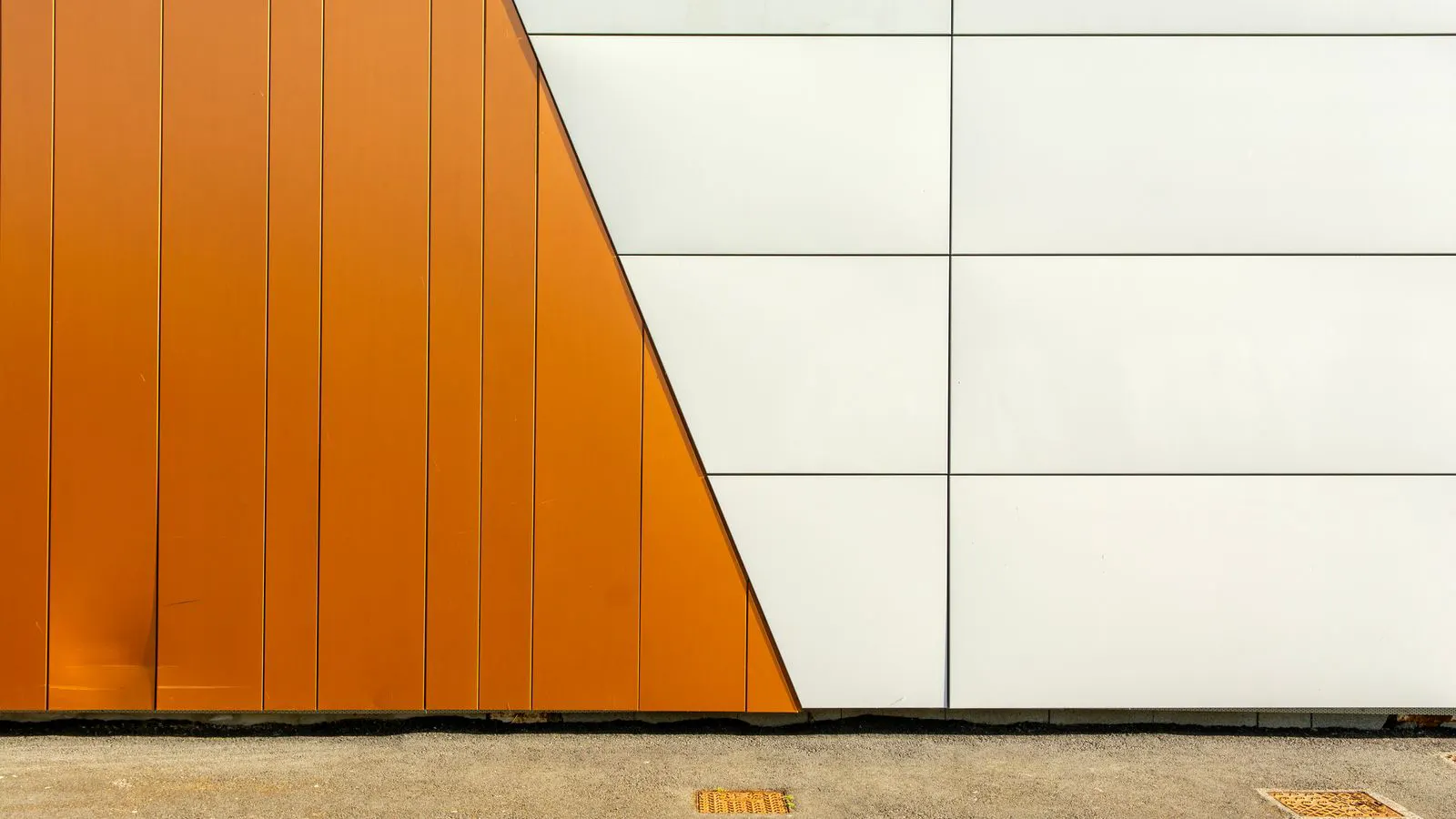
Powder-coated formwork offers better corrosion resistance and color options, while galvanized steel provides a tougher, more economical base. The choice depends on project environment, component type, and long-term maintenance goals.
- Powder coating resists chipping and rust better than zinc in many environments.
- Galvanized steel is generally cheaper and easier to repair on site.
- Tubular components often benefit from powder coating due to their thin walls.
- Frame formwork panels can handle galvanized surfaces well if properly maintained.
- Check supplier coating thickness and edge treatment before ordering.
What is the core difference between these surface treatments?
Zinc galvanizing and powder coating serve different roles in protecting steel formwork. Galvanizing involves dipping steel into molten zinc or electroplating it to create a sacrificial metal layer. When the coating wears, the zinc corrodes first, shielding the underlying steel. Powder coating applies a thermoset polymer that cures under heat, forming a hard, continuous shell over the base metal.
The difference matters because formwork components experience distinct failure modes. Tubular props and connectors suffer from punctures and abrasion. Flat panels suffer from edge chipping and paint delamination. The best treatment depends on which failure mode is more likely in your specific application.
How do durability and maintenance compare?
Powder coating generally outperforms galvanizing in resistance to chemical attack, UV exposure, and minor abrasion. A well-applied powder coat protects against the slow oxidation that can pit the steel surface over time. The coating is harder than the zinc layer, so it resists dents and scratches better in normal handling.
Galvanized steel has a different strength. The zinc layer is soft but sacrificial. If a bolt hole is drilled or a panel edge is chipped, the exposed zinc continues to protect the steel until it is consumed. This makes galvanizing forgiving of site damage. However, if the zinc is removed entirely, the steel below is vulnerable to rapid rust.
Maintenance practices differ too. Powder-coated parts show wear as visible scratches or flaking. Galvanized parts show wear as white or grey patches where the zinc has corroded. Both require inspection, but the repair paths are distinct. Powder coating often requires sanding and recoating. Galvanized surfaces can sometimes be touched up with zinc-rich paint or left to self-heal if the base steel is clean.
When should you choose galvanized steel formwork?
Galvanized formwork suits projects where cost is a primary constraint and the service life is limited. It is a common choice for one-off builds, short-duration projects, or applications in dry, mild climates. The material is widely available, and the manufacturing process is mature.
For tubular formwork, galvanizing is often selected for cost-sensitive applications. The tubes are thicker-walled than some formwork components, so they tolerate the softer zinc layer. The trade-off is appearance. Galvanized surfaces have a spangled, grey finish that does not match branded colors, but this is rarely a concern for structural components hidden behind formwork.
Frame formwork panels made from galvanized steel perform well when the edges are properly treated. The main risk is the cut edges of the steel. These areas expose the base metal, which can rust quickly. Reputable suppliers apply a touch-up coating or use a process that extends the zinc layer over the cut edges. Inspect these edges carefully during delivery.
When should you choose powder-coated formwork?
Powder-coated formwork is the better choice when the components will see repeated use, harsh weather, or chemical exposure. It is the standard for formwork panels that sit in contact with wet concrete or aggressive mixes. The coating resists the alkali in fresh concrete, which can attack unprotected steel and cause staining or pitting.
For tubular props, powder coating is often preferred in high-cycle applications. The thin walls of the tubes are susceptible to corrosion from the inside and out. A thick, continuous powder coat seals the surface and reduces the risk of internal rust. This is particularly important for formwork that will be reused across multiple projects or buildings.
The color options are another advantage. Powder coating can be applied in many colors, which helps identify formwork types, project phases, or ownership. This visual coding reduces mix-ups on site and simplifies inventory management. For frame formwork panels, color-coding helps distinguish between different span ratings or load capacities.
How does the choice affect tubular vs frame formwork?
The structural differences between tubular and frame formwork influence the best surface treatment. Tubular components are long, thin, and often subjected to bending or impact. The surface must withstand these forces without cracking. Powder coating, being a continuous polymer layer, flexes slightly with the tube and maintains adhesion. Galvanized zinc is brittle and can crack or chip if the tube is bent.
Frame formwork panels are flat, rigid, and primarily subjected to bending loads and edge impacts. The surface area is large, so the quality of the coating over the entire panel is critical. Galvanized steel works well here because the large, flat surfaces are easier to protect. The main concern is the edges, which are cut and exposed. Powder coating is more effective at sealing edges if applied correctly, but any mistake in the application process can lead to poor performance.
In practice, many suppliers offer a mix. They may use galvanized steel for the internal bracing and frame members, and powder-coated panels for the outer faces. This approach balances cost and performance. The internal parts are protected by galvanizing, while the visible and exposed parts benefit from the superior corrosion resistance of powder coating.
What questions should you ask a supplier?
Before ordering, ask about the coating thickness. For powder coating, a minimum of 80 microns is common for formwork, but thicker coatings are used for harsher environments. For galvanizing, the zinc thickness is measured in microns as well. A thicker zinc layer lasts longer but is more expensive.
Ask about the edge treatment. Cut edges are the weak point in both treatments. For galvanizing, ask if the edges are dipped or if a separate coating is applied. For powder coating, ask if the edges are sealed or if the coating extends over the cut. Poor edge treatment leads to early rust, regardless of the coating type.
Check the substrate preparation. Steel must be cleaned and primed before coating. Poor preparation leads to poor adhesion, which causes peeling and flaking. Ask for information on the cleaning process, such as shot blasting or chemical stripping, and the primer used.
Finally, ask about warranty and repair instructions. A good supplier will provide clear guidance on how to repair damaged areas. For powder coating, they may offer touch-up kits or recoating services. For galvanizing, they may recommend specific zinc-rich paints. Having this information available saves time and money when damage occurs on site.
How do these treatments compare in a table?
The table below summarizes the key differences between galvanized and powder-coated steel formwork. It helps you quickly identify which option suits your specific project needs.
| Option | Best for | Limitations |
|---|---|---|
| Galvanized Steel | Cost-sensitive projects, dry climates, one-off builds | Softer surface, potential for rapid rust if zinc is removed |
| Powder-Coated Steel | High-cycle reuse, wet environments, visual coding | Higher cost, requires proper application to avoid defects |
| Galvanized with Powder Coat | Mixed environments, high-performance applications | Most expensive, complex manufacturing process |
| Bare Steel with Paint | Short-term use, low-budget projects | Lowest durability, frequent maintenance required |
Which option should you pick?
The decision depends on your project’s lifecycle and environment. For short-duration projects in dry conditions, galvanized steel offers the best cost-to-performance ratio. The initial savings outweigh the slightly higher maintenance needs.
For long-term projects or those in wet or chemical environments, powder coating is the safer choice. The higher upfront cost is offset by reduced maintenance and longer service life. The visual coding also simplifies site management.
If budget allows, consider a hybrid approach. Use galvanized steel for internal and less-exposed components, and powder-coated panels for the outer surfaces. This balances cost and performance while addressing the specific vulnerabilities of each component type.
The key is to match the surface treatment to the failure mode you are most likely to experience. Inspect the components carefully, ask the right questions, and choose the option that aligns with your long-term goals.
Frequently asked questions
Can galvanized formwork be used in wet environments?
Yes, but it requires careful inspection. The zinc layer protects against corrosion, but if it is removed, the steel will rust. Regular checks and prompt repair are necessary.
How long does powder coating last compared to galvanizing?
Powder coating typically lasts longer in harsh environments because the polymer layer is more resistant to chemical and UV attack. Galvanized zinc corrodes over time, but it protects the steel until it is consumed.
Is powder coating more expensive than galvanizing?
Generally, yes. Powder coating involves additional steps like surface preparation and curing, which increases the cost. The price difference varies by supplier and coating thickness.
Can you mix galvanized and powder-coated components?
Yes, it is common to use galvanized for internal parts and powder-coated for external panels. This approach balances cost and performance. Ensure the components are compatible in terms of load capacity and connection types.
How do I repair damaged powder-coated formwork?
Clean the damaged area, sand it lightly, and apply a touch-up coat. For larger damages, the panel may need to be recoated professionally. Follow the supplier's repair instructions for best results.