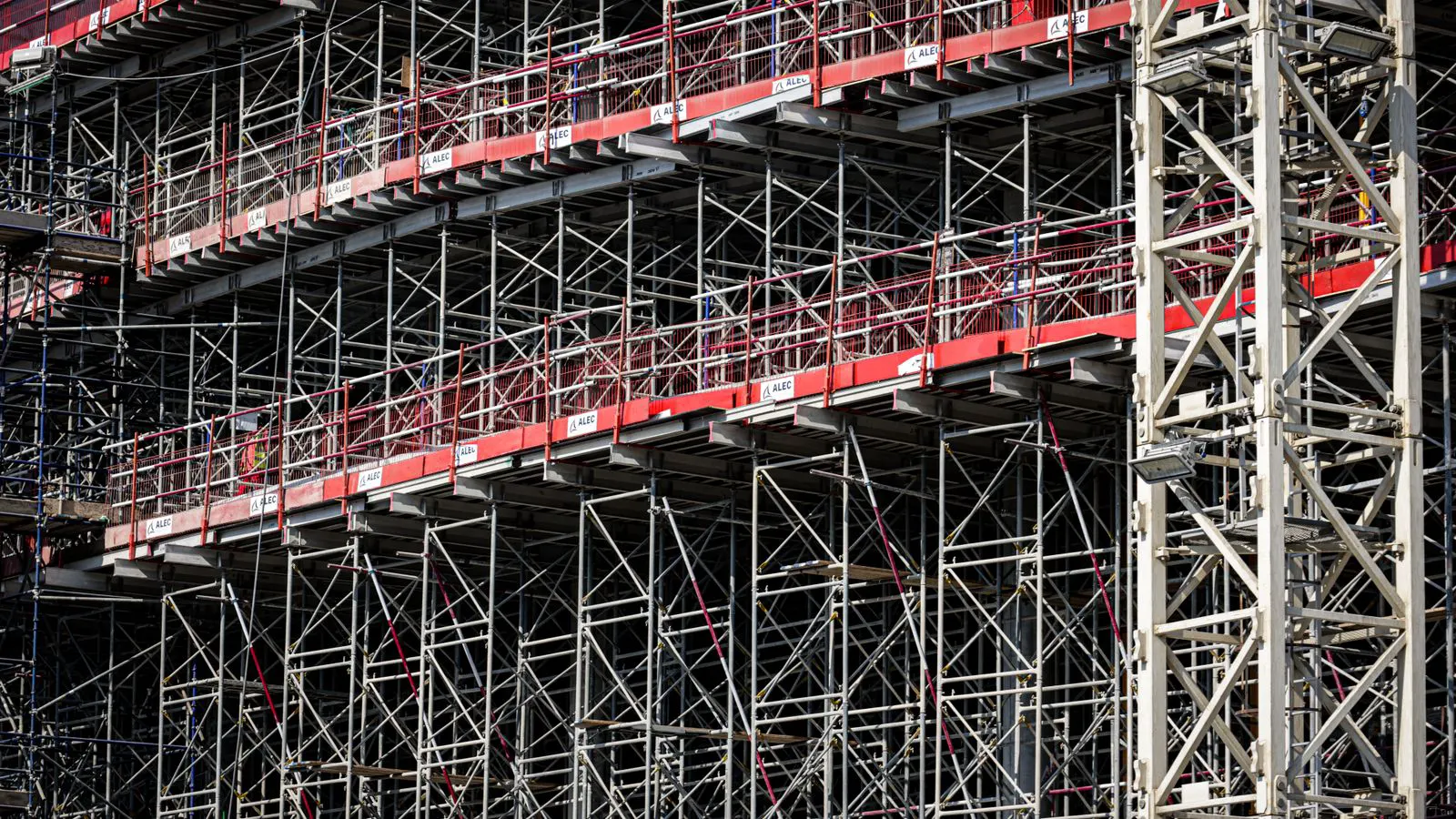
Cost and Lead Time for Importing Steel Scaffolding Systems
Importing bulk steel scaffolding requires tracking freight, tariffs, and supplier terms. This guide explains how to estimate scaffolding import cost, manage lead times, and compare quotes fairly for steel scaffold logistics.
- Bulk steel scaffolding import cost depends on unit price, freight, insurance, and destination duties.
- Lead time is driven by production slots, port congestion, and inland clearance processes.
- A clear RFQ with exact part lists and quantity tiers prevents quote misalignment.
- Compare quotes on landed cost, not just the unit price per component.
- Confirm warranty terms and spare parts availability before signing a purchase order.
Importing steel scaffolding systems is a financial and logistical operation that runs parallel to construction timelines. A delay at the port or an unexpected tariff shift can erode the budget before the first member is even loaded. The cost of imported scaffolding is rarely a single number. It is a chain of variables: supplier pricing, freight modes, insurance, customs valuation, and local handling.
Understanding these variables allows buyers to build a realistic budget and set a credible delivery date. This guide breaks down the factors driving scaffolding import cost, the typical lead time structure, and the questions that must appear in a Request for Quotation to get comparable results.
What Drives the Base Price of Steel Scaffolding
The base price from the factory sets the floor, but it is only one component of the total. For tube and coupler systems, the price per meter of pipe and per coupler varies by wall thickness, diameter, and finish. Galvanized pipes cost more than black steel because of the zinc coating process. H-frame or frame scaffolding systems price differently than modular tube and coupler setups, even when the total tonnage is similar.
Quantity discounts apply in bulk. Suppliers often structure pricing in tiers. A 500-meter order per pipe type costs less per meter than a 200-meter order. The same applies to couplers. When an RFQ lists only a few hundred meters, the quote will reflect a higher unit rate.
The finish also impacts price. Black steel is cheaper but requires site-level protection against rust. Hot-dip galvanized members have a higher initial cost but reduce maintenance and replacement frequency over the project life. If the project site is coastal or in a high-humidity environment, the premium for galvanization is often justified by the reduced risk of corrosion.
How Freight and Insurance Affect the Final Bill
Freight is the second largest cost driver after the base price. Steel scaffolding is heavy and bulky. A standard 20-foot container can hold a significant weight, but the volume constraint often limits how many meters of pipe fit. A 40-foot container holds roughly twice the capacity, but it is not always cost-effective if the load is light.
Freight rates fluctuate based on origin and destination ports. Routes from major manufacturing hubs to major destination ports are generally cheaper than routes to secondary ports. The mode of transport also matters. Ocean freight is the standard for bulk imports. Air freight is rarely used for steel due to weight, though it may be used for small, urgent spare parts or specific coupler types.
Insurance costs are a percentage of the declared value. For high-value steel, this adds a small but fixed line item. Buyers must ensure the insurance covers the full value from the factory door to the project site.
Tariffs and Customs: The Hidden Line Item
Customs duties are calculated on the customs value of the goods. This value usually includes the price of the scaffolding, the freight to the port, and insurance. It does not include inland transport after clearance. The duty rate depends on the country of origin and the destination country.
Some countries have free trade agreements with manufacturing countries that reduce or eliminate duty rates. Others apply standard rates that can range from low single digits to higher percentages. The Harmonized System code for steel scaffolding is generally consistent, but local classification rules can vary.
Duties are often paid in advance by the freight forwarder or the customs broker. If the broker charges a fee to process this payment, that fee is separate from the duty itself. Buyers should ask for a breakdown of all customs-related charges. A quote that says “duties and taxes included” is useful, but it must be verified against the actual invoice value.
How to Write a Clear RFQ for Comparable Quotes
A vague Request for Quotation produces vague answers. If the RFQ says “500 meters of scaffold pipe,” the supplier may assume a standard diameter and wall thickness. If the RFQ says “couplers,” the supplier may assume standard size couplers.
The RFQ must list every component with its specific dimensions. For tube and coupler systems, this includes the pipe diameter, the wall thickness, the pipe length, and the coupler type. For H-frame systems, it includes the frame height, the base plate type, and the brace type.
Include the quantity for each item. Do not group items into a single line. Separate lines for pipes, couplers, base plates, and braces allow the buyer to compare unit prices across suppliers.
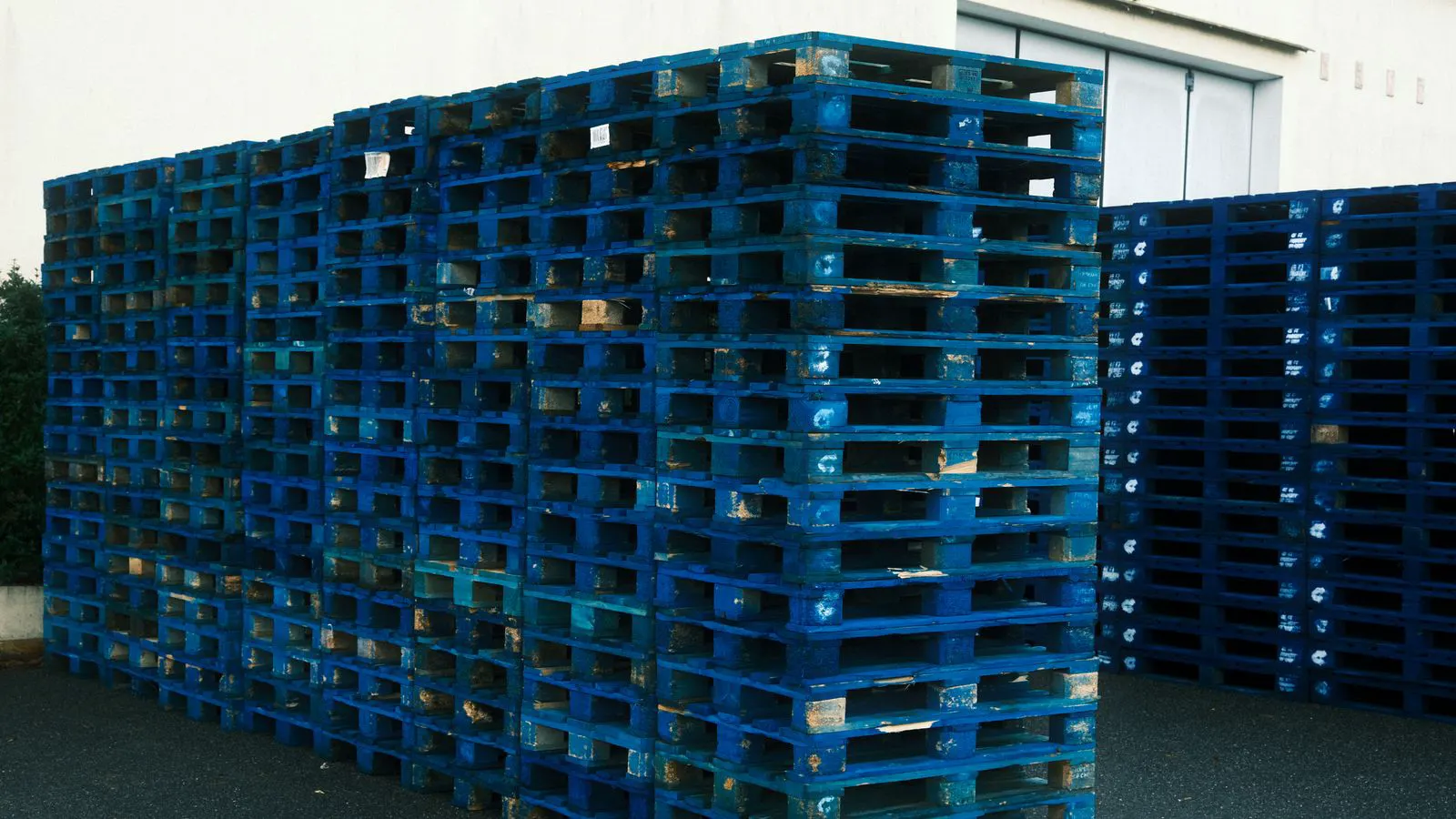
Specify the packaging. Palletized loads are standard for steel. If the supplier ships in bundles, the handling cost at the destination changes. Pallets are easier to move with a forklift and less prone to damage during unloading.
State the destination port or city. This allows the supplier or their freight agent to calculate the exact inland leg. A quote to a port is cheaper than a quote to a city 100 kilometers inland.
How to Compare Landed Cost, Not Unit Price
Unit price is the number on the line item. Landed cost is what hits the bank account. Landed cost includes the unit price, freight, insurance, duties, customs brokerage, and any port handling fees.
Create a spreadsheet with columns for each cost element. Enter the unit price for each item. Enter the freight cost per container. Enter the insurance cost. Enter the duty amount. Sum these into a total landed cost per container. Then divide by the number of meters or couplers in that container to get a landed cost per meter or per coupler.
This comparison reveals the true cost. A supplier with a slightly higher unit price but a better freight deal or a lower duty classification may offer a lower landed cost. A supplier with the lowest unit price may have a higher landed cost if their freight terms are less favorable.
Managing Lead Time and Production Slots
Lead time is the sum of production time, inland transport to the port, port handling, ocean transit, and destination clearance. Production time depends on the supplier’s capacity. During peak construction seasons, factories may have longer backlogs.
Inland transport to the port adds time. If the factory is 50 kilometers from the port, it may take a day. If it is 300 kilometers away, it may take two or three days. Port handling time varies. Some ports are congested, and ships may wait for berths.
Ocean transit is relatively fixed. A voyage from a major Asian port to a West Coast port might take 25 to 35 days. A voyage to a European port might take 35 to 45 days. These times are estimates. Weather and port congestion can extend them.
Destination clearance depends on documentation. If the commercial invoice, packing list, and certificate of origin are missing or incorrect, the cargo may be held at the port. This delay can add weeks. The cost of storage and demurrage at the port adds to the total.
Numbered List of Key Documents for Import
- Commercial invoice: This lists the items, quantities, unit prices, and total value. It must match the packing list exactly.
- Packing list: This lists the contents of each container, the weight, and the dimensions. It is used by customs to verify the shipment.
- Bill of lading: This is the document of title. It shows who owns the cargo and where it is being shipped.
- Certificate of origin: This certifies the country of manufacture. It is required for free trade agreement benefits.
- Material test reports: These confirm the steel grade and wall thickness. They are required for quality assurance.
- Insurance certificate: This shows that the cargo is insured for its full value.
Common Mistakes in Importing Steel Scaffolding
The most common mistake is underestimating the volume. Steel is heavy, but it takes up space. If the buyer calculates the weight but not the volume, the container may be overfilled. This forces the use of a larger container or multiple containers.
Another mistake is ignoring the spare parts margin. If a project uses 500 meters of pipe, the site may need 50 additional meters for breakage or loss. Buying spares from a domestic supplier is often more expensive than buying them with the bulk order.
A third mistake is assuming the delivery date is fixed. The lead time is an estimate, not a guarantee. Build a buffer into the construction schedule. If the scaffolding is needed for a specific phase, order it earlier than the phase start date.
When to Consider Domestic vs. Imported Systems
Domestic suppliers offer shorter lead times and simpler customs processes. Imported systems often offer lower unit costs for bulk quantities. The decision depends on the project scale and the timeline.
For a small project with a tight schedule, domestic purchase may be more economical despite the higher unit cost. For a large project with a flexible schedule, imported systems can reduce the total material cost.
The choice also depends on the type of scaffold. If the project requires a specific frame system that is not available domestically, import is the only option. If the project uses standard tube and coupler, both domestic and imported options are available.
Frequently asked questions
How do I know if my scaffolding import cost estimate is accurate?
Your estimate is accurate if it includes the base price, freight, insurance, duties, and port handling. Compare the landed cost per meter, not just the unit price.
What is the typical lead time for importing steel scaffolding?
Lead time varies by route and supplier. A typical range is 4 to 8 weeks from order to delivery, excluding production backlogs.
Can I get a lower cost by buying from multiple suppliers?
Splitting orders across multiple suppliers can increase freight costs and complicate customs clearance. It is usually cheaper to consolidate with one supplier.
What happens if the cargo is held at the port?
If the cargo is held, you incur storage and demurrage fees. The delay extends the project timeline.
Should I buy spares with the bulk order?
Yes. Buying a 10 to 15 percent spare margin with the bulk order reduces the risk of project delays and keeps the total cost lower than buying spares separately.