Scaffold and Formwork Buyers Guide
A strong scaffolding buyers guide breaks down load requirements, material choices, and inspection standards. It helps buyers match scaffold and formwork systems to site conditions, reducing risk and cost overruns during procurement.
- Match scaffold load ratings to the specific materials and personnel planned for each lift.
- Verify formwork selection against span, concrete pressure, and cycle time requirements.
- Use a standardized procurement criteria table to compare vendor quotes on the same technical basis.
- Confirm that all suppliers provide certified load test reports and material traceability documents.
- Plan for regular inspections to ensure that the as-built system matches the engineered design.
Why Load Capacity Defines Every Procurement Decision
Before a buyer signs a purchase order, the engineering team must define the actual forces the structure will see. A scaffold designed for light access will fail under a concrete pump hose. A formwork panel rated for short spans will bow when the concrete pour extends beyond the design limit. The primary keyword in any serious procurement process is not brand name. It is the load rating.
Buyers often look at the maximum working load per meter or per square meter as a starting point. That number is a ceiling, not a target. It assumes ideal conditions. The real question is whether the system can handle the specific combination of dead load, live load, and environmental factors on your site. Dead load includes the weight of the scaffold itself, the formwork, and the wet concrete. Live load covers workers, tools, and stored materials. Environmental factors include wind, rain, and temperature changes that affect material strength.
A common mistake is to select a scaffold system based on its maximum rated capacity without checking the load distribution. A heavy load concentrated on one bay is different from the same total weight spread across multiple bays. The scaffold buyers guide must account for this. Engineers use load calculations to determine the exact pressure points. Buyers need to ensure that the selected product matches those calculated points, not just the average load.
Evaluating Formwork Selection for Specific Site Conditions
Formwork selection is a technical decision that directly impacts cycle time and concrete quality. The choice between modular, tube and board, and aluminum systems depends on the project geometry and the number of pours. Modular formwork offers speed. It connects with simple latches and reduces the time needed for setup. This works well for repetitive structures like columns and slabs.
Tube and board formwork is more flexible. It adapts to irregular shapes and complex corners. However, it requires more labor to assemble and dismantle. The wood or steel boards must be checked for flatness and warping. A bent board creates a weak point that can leak concrete. Aluminum formwork is light and durable, but the initial cost is higher. It is often chosen for projects with long timelines where the system will be reused many times.
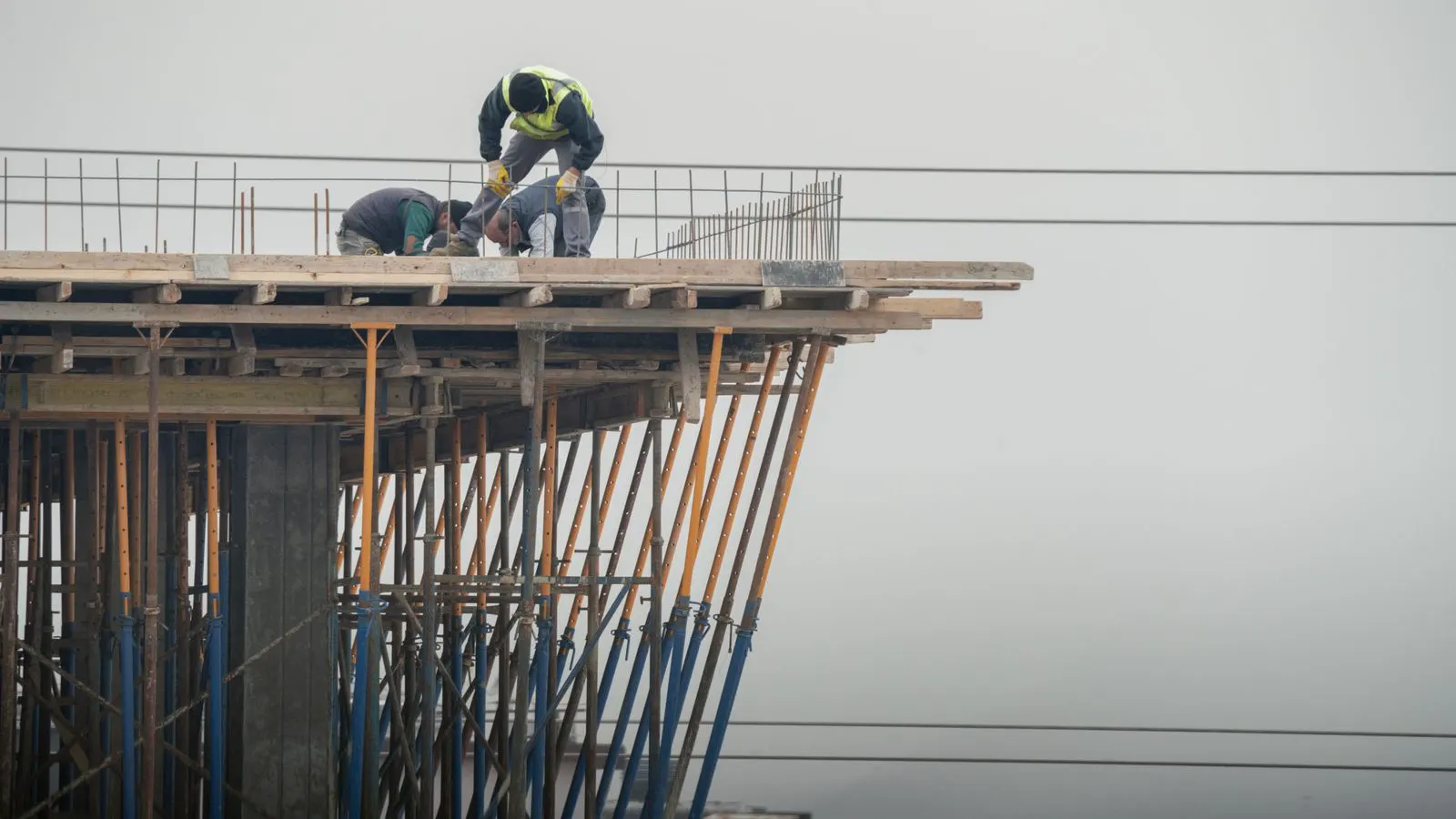
The span of the formwork matters. Longer spans require deeper beams or additional shoring. If the concrete is thick, the pressure on the formwork increases with the depth of the pour. This is known as hydrostatic pressure. The formwork selection must account for this pressure. A panel that works for a 500mm pour may not work for a 1500mm pour. Buyers should ask for the manufacturer’s load charts for their specific system. These charts show the maximum depth of concrete the formwork can support at a given span.
Key Procurement Criteria for Scaffolding and Formwork
When comparing quotes, buyers need a standard set of criteria. This prevents confusion and ensures that all vendors are evaluated on the same technical basis. The table below lists the main factors to check during the procurement process.
| Criterion | What to look for | Why it matters |
|---|---|---|
| Load Rating | Maximum working load per meter or square meter. | Ensures the structure can support the planned concrete and personnel. |
| Material Grade | Steel grade, aluminum alloy, or treated wood. | Affects long-term durability, corrosion resistance, and initial cost. |
| Connection Type | Welded, bolted, or latched connections. | Determines setup speed, ease of maintenance, and potential failure points. |
| Standard Compliance | Compliance with local building and safety standards. | Ensures the system meets legal requirements for installation and use. |
| Maintenance Record | Service history and inspection logs. | Indicates the current condition of the equipment and its reliability. |
| Lead Time | Estimated delivery and installation time. | Helps plan the project schedule and avoid delays. |
These criteria are not just administrative checkboxes. They reflect the physical reality of the job site. A high-quality connection type reduces the risk of accidental collapse. A clear maintenance record shows that the vendor takes responsibility for the condition of their equipment. Buyers should request sample load test reports from the supplier. These reports prove that the system has been tested under controlled conditions and passed the required safety factors.
The Role of Inspection and Maintenance in System Safety
A scaffold and formwork system is only as good as its maintenance. Even a new system can develop cracks, bends, or rust if it is handled poorly. Buyers must include a maintenance plan in their procurement strategy. This plan should define how often inspections occur and who performs them.
Daily visual checks are the first line of defense. Workers on site look for obvious damage. Loose bolts, bent tubes, or cracked boards are reported immediately. More detailed inspections happen after each lift or after significant weather events. These inspections check the integrity of the connections and the stability of the base plates.
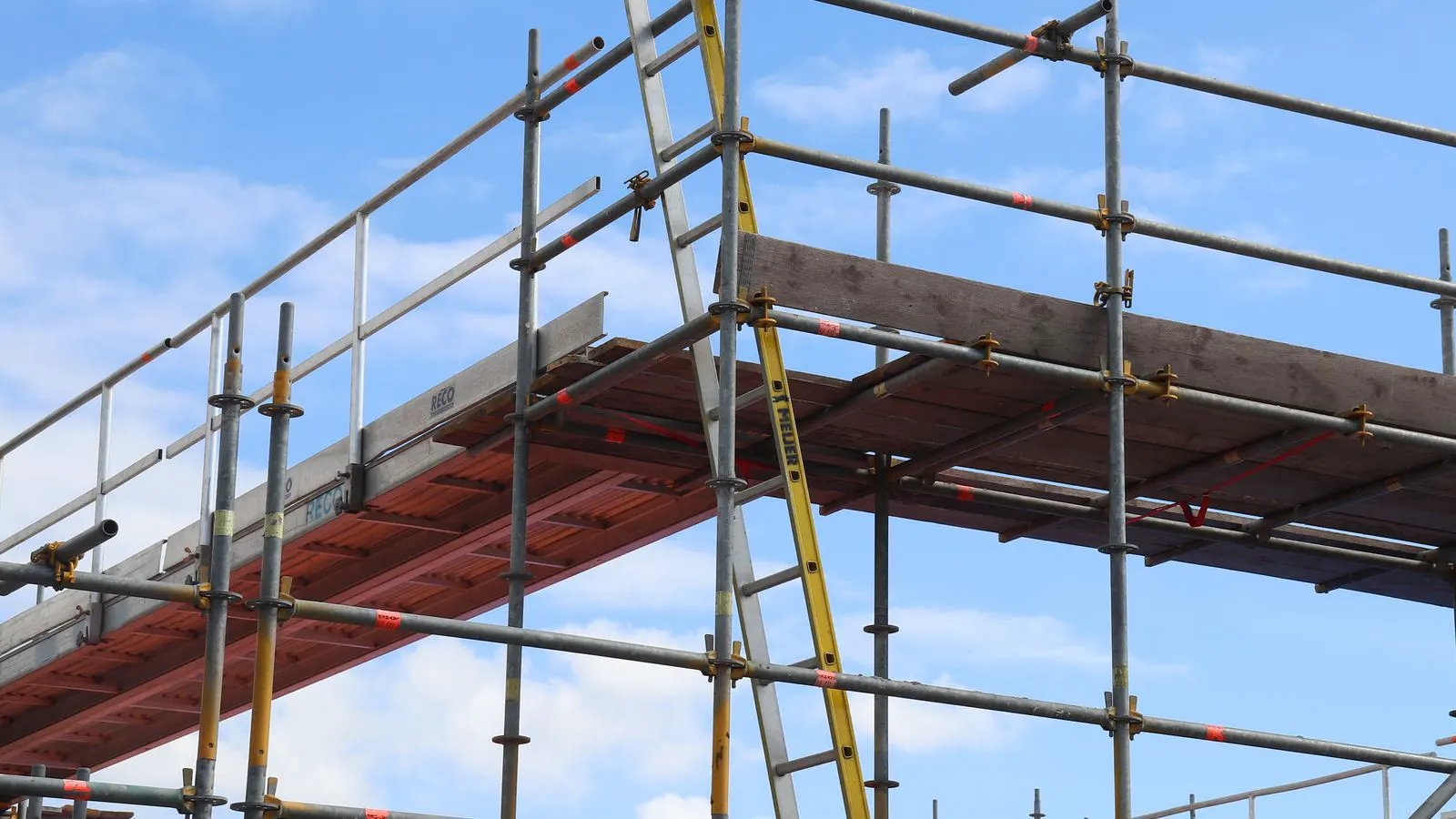
The scaffold fall protection checklist should be part of the daily routine. Fall protection is not an afterthought. It is a core part of the scaffold system. Buyers need to ensure that the selected scaffold includes or integrates with the required fall protection equipment. This includes guardrails, toe boards, and safety nets where necessary. The formwork system also has safety considerations. Workers must be able to access the formwork safely without climbing unstable panels. Proper ladders and work platforms are part of the formwork procurement package.
Managing Lead Times and Supply Chain Risks
Procurement does not end with the purchase order. Lead times for scaffold and formwork can vary significantly. Standard items like tubes and boards are often available from local stock. Specialized modular systems may need to be ordered from the manufacturer. Importing equipment adds another layer of complexity. Customs clearance, shipping, and local compliance checks all take time.
Buyers should build buffer time into their project schedules. If the formwork system is not on site when the concrete pour is ready, the delay can cost thousands per day. The cost of idle labor and equipment far exceeds the cost of the formwork itself. A good procurement strategy includes identifying backup suppliers. If the primary vendor faces a delay, the backup can step in without stopping the project.
Import costs and logistics are often underestimated. Freight rates, duties, and local handling fees add to the total cost of ownership. Buyers should request all-inclusive quotes that cover delivery, installation, and removal. This makes it easier to compare vendors and avoid hidden costs. The scaffold lead times and import costs section of a buyer’s guide should highlight these factors. A realistic timeline is more valuable than the lowest price.
How to Verify Supplier Claims and Certifications
Suppliers make many claims about their products. Some are accurate. Others are marketing exaggerations. Buyers need to verify these claims with documents. A material safety data sheet shows the composition of the materials. It helps with handling and storage. A load test certificate proves that the product has been tested under specific conditions. An ISO certification indicates that the manufacturer follows quality management standards.
Do not rely on verbal assurances. Request the documents. A reputable supplier will provide them without hesitation. If a supplier cannot produce a load test report, treat that as a warning sign. The report should be signed by a qualified engineer. It should state the test conditions and the results. This document becomes part of the project file and may be required by the local authority during inspections.
Certifications also protect the buyer legally. If an incident occurs, having certified documentation shows that due diligence was followed. It helps in any dispute with insurance companies or regulatory bodies. The procurement criteria table should include a section for documentation. Buyers should check that all required certificates are up to date. Expired certificates are a sign of poor vendor management.
Building a Decision Checklist for Final Selection
The final decision should not be based on a single factor. It should be a balanced view of cost, quality, and risk. A decision checklist helps organize the information and ensures that nothing is overlooked. The checklist below summarizes the key steps before signing a contract.
- Confirm the load requirements for each area of the site.
- Select the formwork system that matches the geometry and pour frequency.
- Verify the scaffold load rating and connection type against the engineering design.
- Request load test reports and material certificates from the supplier.
- Check the supplier’s maintenance plan and inspection schedule.
- Review the lead times and include buffer in the project schedule.
- Confirm that all equipment complies with local safety standards.
- Identify a backup supplier for critical items.
- Define the acceptance criteria for delivery and installation.
- Sign the contract only after all documents are reviewed.
This checklist turns a complex decision into a manageable process. It ensures that the buyer is making an informed choice. The goal is not to find the cheapest option. The goal is to find the right option for the specific project. A scaffold and formwork system that fits the project well will save time, money, and risk. A system that does not fit will cause delays and potential accidents. The buyers guide is the tool that helps you make that distinction.
Frequently asked questions
How do I know if a scaffold system is strong enough for my project?
Check the maximum working load per meter and compare it to your calculated load. Ensure the load is distributed evenly and that the connections can handle the stress.
What is the main difference between modular and tube and board formwork?
Modular formwork is faster to assemble and ideal for repetitive shapes. Tube and board formwork is more flexible for complex geometries but requires more labor.
Why is a load test report important during procurement?
It proves that the equipment has been tested and passed safety standards. It is a critical document for legal compliance and risk management.
How long should I expect lead times for formwork delivery?
Lead times vary by region and product. Standard items may arrive quickly, while specialized systems can take weeks. Always include buffer time in your schedule.
What documents should I request from a scaffold supplier?
Request material safety data sheets, load test certificates, ISO certifications, and maintenance records. These documents verify the quality and condition of the equipment.