Future of Modular Formwork Systems
Modular formwork is moving from simple panel sets toward integrated, data-connected systems. Buyers should expect shifts in material composition, digital integration, and lifecycle management. This guide outlines five practical changes to plan for now and how to adjust procurement strategies to stay ahead.
- Modular formwork is shifting from single-use sets to reusable, data-integrated systems that track performance across projects.
- Buyers should prioritize material transparency, including recycled content and end-of-life options, to align with sustainability mandates.
- Digital integration is moving from optional to expected, with QR codes and RFID tags enabling real-time inventory and load tracking.
- Procurement models are changing from unit sales to service-based leasing, requiring new contract structures for maintenance and replacement.
- Training and compatibility planning are critical, as mixed systems and digital interfaces create new skill requirements for field crews.
The formwork market is shifting. Modular formwork systems are no longer just a faster way to build concrete. They are becoming connected, trackable, and designed for long-term reuse. For buyers and engineers, this means procurement decisions that worked five years ago are starting to feel outdated. The question is no longer just which panels to buy. It is which system to invest in for the next decade.
How Material Science Is Changing Panel Design
The materials inside formwork panels are evolving. Traditional steel and wood panels are being supplemented with engineered composites and high-strength aluminum. These materials offer different trade-offs. Composites resist corrosion and reduce weight, making them easier to handle on site. They can also be recycled at end of life. Aluminum panels are lighter and more rigid than steel, but they are more expensive to source. Wood panels remain common for simple jobs, but they do not age well in wet conditions and cannot be tracked digitally.
Buyers should look for material declarations from suppliers. These documents should list the core material, the face veneer, and the recycling pathway. If a supplier cannot provide this information, it is a sign that the system is not built for long-term asset management. The shift is toward transparency. You should be able to know what you are buying and how it will be disposed of at the end of its life.
What Digital Integration Means for Field Operations
Construction technology is moving into the formwork sector. The most visible change is the addition of QR codes or RFID tags to panels. These tags store data about the panel. This includes manufacturing date, last inspection date, load rating, and project history. On site, a worker can scan a tag with a tablet or phone. The system can flag a panel that is overdue for inspection or that has a damaged corner.
This data stream changes how formwork is managed. Instead of a manual logbook kept in a site office, the data is live. It can be synced to a central dashboard. This helps with inventory control, as you can see exactly which panels are on each project. It also helps with safety, as damaged or overloaded panels can be identified before they are used again. For procurement, this means the cost of the formwork set is not just the hardware. It includes the software, the scanning devices, and the data management.
How Reusability Is Redefining Total Cost
The economic model for modular formwork is changing. The traditional model was to buy a set, use it for a few projects, and then replace it when it wore out. The new model focuses on reusability. Suppliers are designing panels that can be used hundreds of times. They are also offering maintenance services that include repair, re-coating, and component replacement.
This shifts the focus from unit price to total cost of ownership. A cheaper panel set that requires frequent replacement may cost more over ten years than a more expensive set that lasts longer. Buyers should ask suppliers for a projected lifecycle. This should include the number of expected uses, the cost of maintenance, and the replacement rate for damaged components. It also helps to compare the cost per pour or per square meter. This gives a clearer picture of the true cost than just the sticker price.
What Scaffold and Formwork Integration Looks Like
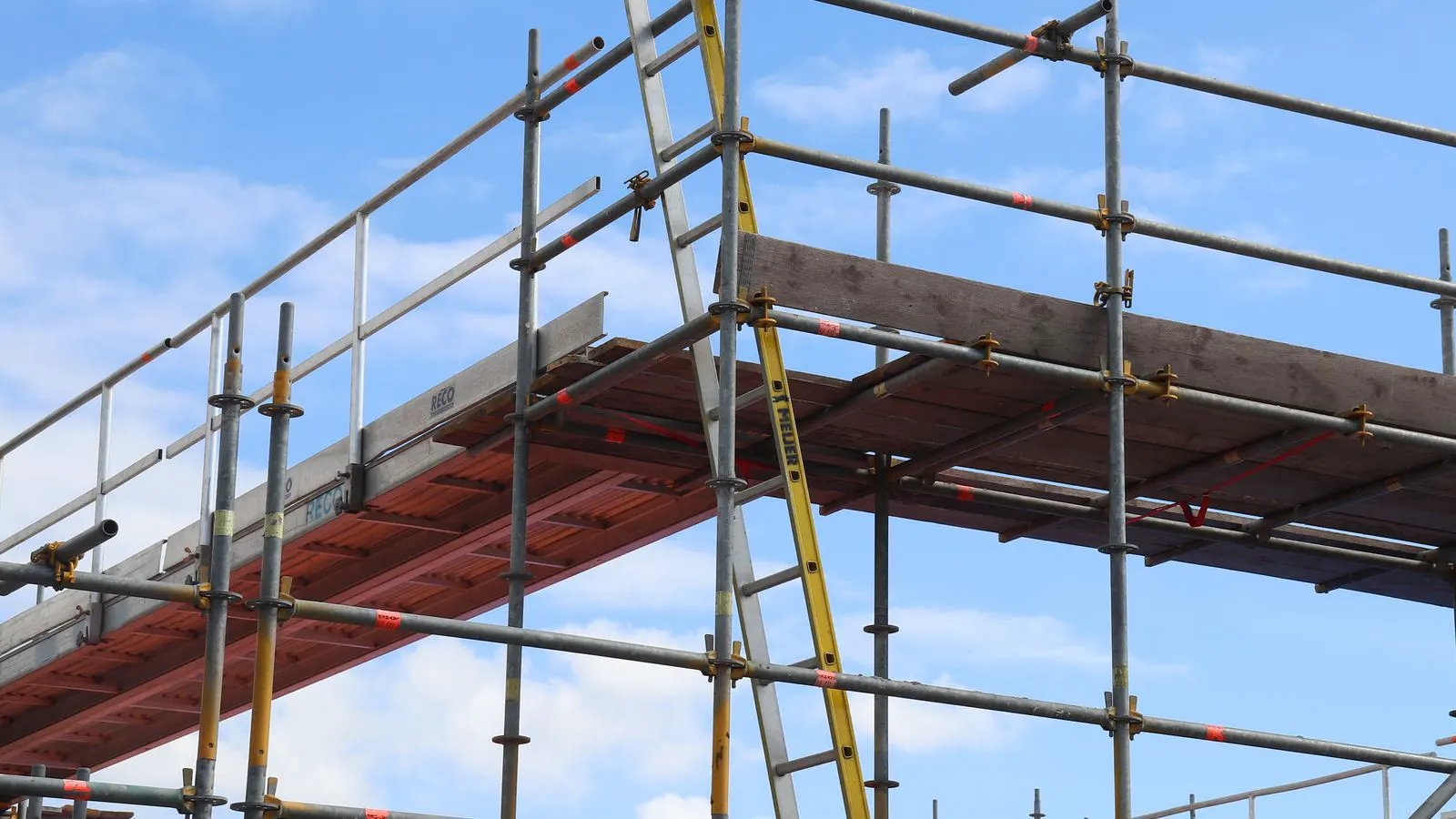
Scaffolding trends are influencing formwork design. As projects become taller and more complex, the need for integrated access and support systems is growing. Some modular formwork sets now include built-in access points or connection points for scaffolding. This reduces the time spent assembling separate scaffolding towers around the formwork. It also improves safety, as workers have a clearer path to move between levels.
For buyers, this means looking at the formwork as part of a larger system. The formwork set should work with the scaffolding system you already use. Compatibility is key. If the formwork has its own access system, it may need to be coordinated with your scaffolding plan. This requires early coordination between the formwork and scaffolding contractors. It also means the formwork set may be more expensive, but it can save time and labor on site.
How Procurement Models Are Shifting to Leasing
The way formwork is acquired is changing. Unit sales are still common, but service-based leasing is growing. In a leasing model, the supplier owns the formwork set. The buyer pays a recurring fee for access. The supplier is responsible for maintenance, repair, and replacement. This reduces the capital outlay for the buyer. It also transfers the risk of panel damage to the supplier.
This model works well for companies that run multiple projects at once. It allows them to scale up or down as needed. It also aligns the supplier’s interest with the buyer’s. The supplier has an incentive to keep the panels in good condition, as they are the ones who will bear the cost of replacement. For buyers, this requires a different set of skills. You need to manage a service contract rather than an asset. This includes tracking usage, reporting damage, and coordinating returns.
How to Prepare Your Procurement Strategy
The shifts described above are not happening overnight. They are unfolding over the next several years. To prepare, buyers should take a few practical steps. First, review your current formwork assets. Identify which sets are nearing the end of their life and which are still performing well. This gives you a baseline for what you have. Second, define your sustainability goals. If you have targets for recycled content or carbon reduction, make sure your formwork suppliers can meet them. Third, plan for digital integration. Decide if you want to adopt QR codes or RFID tags now, or if you will wait for the technology to mature.
You should also update your supplier evaluation criteria. Do not just look at price. Look at material transparency, digital capability, reusability data, and service support. Create a scorecard that weights these factors. This will help you make a more informed decision when you compare quotes. Finally, train your field crews. New panels and digital interfaces require training. If your workers are not comfortable with the system, it will not perform well on site.
What to Watch in the Next Cycle
The next cycle of formwork development will be driven by two forces: sustainability and digitalization. More suppliers will offer panels with high recycled content. They will also provide clear data on the environmental impact of their products. At the same time, digital integration will become more standard. You will see more suppliers offering real-time data dashboards and predictive maintenance tools. These tools will help you avoid costly failures and keep projects on schedule.
Buyers who adapt early will gain a competitive edge. They will have better data, lower maintenance costs, and a stronger sustainability profile. Buyers who wait will find themselves with outdated systems and higher costs. The shift is not just about buying better panels. It is about buying a system that can evolve with your business.
| Formwork Attribute | Current Standard | Emerging Trend | Buyer Impact |
|---|---|---|---|
| Material Composition | Steel, Wood, Basic Composite | Engineered Composite, High-Grade Aluminum, Recycled Content | Demand for material declarations and recycling pathways |
| Tracking Method | Manual Logbooks, Visual Checks | QR Codes, RFID Tags, Digital Dashboards | Need for scanning devices and data management software |
| Economic Model | Unit Sales, Short-Term Replacement | Service-Based Leasing, Long-Term Reusability | Shift to lifecycle cost analysis and service contracts |
| Integration | Standalone Panels | Integrated Access, Scaffolding Compatibility | Early coordination between formwork and scaffolding teams |
| Maintenance | Reactive Repair | Predictive Maintenance, Supplier-Managed | Reduced on-site repair costs, improved safety compliance |
Frequently asked questions
What is the main difference between traditional formwork and modular formwork?
Traditional formwork is often built from individual pieces on site. Modular formwork uses pre-fabricated panels that connect together. This reduces assembly time and improves consistency.
How do digital tags change formwork management?
Digital tags like QR codes store data about each panel. This includes inspection dates and load ratings. Workers can scan them to check status and flag issues.
Is leasing formwork a good option for small contractors?
It depends on the volume of work. For contractors with steady project flow, leasing can reduce upfront costs. For those with irregular work, buying may be simpler to manage.
What should I check before buying a modular formwork set?
Check the material composition, the expected number of uses, and the maintenance support. Also verify if the system integrates with your existing scaffolding and digital tools.
How does modular formwork affect scaffolding planning?
Some modular sets include access points or connection points for scaffolding. This can reduce the need for separate scaffolding towers and improve worker movement.