Future Trends in Aluminum Formwork for High-Rise Construction
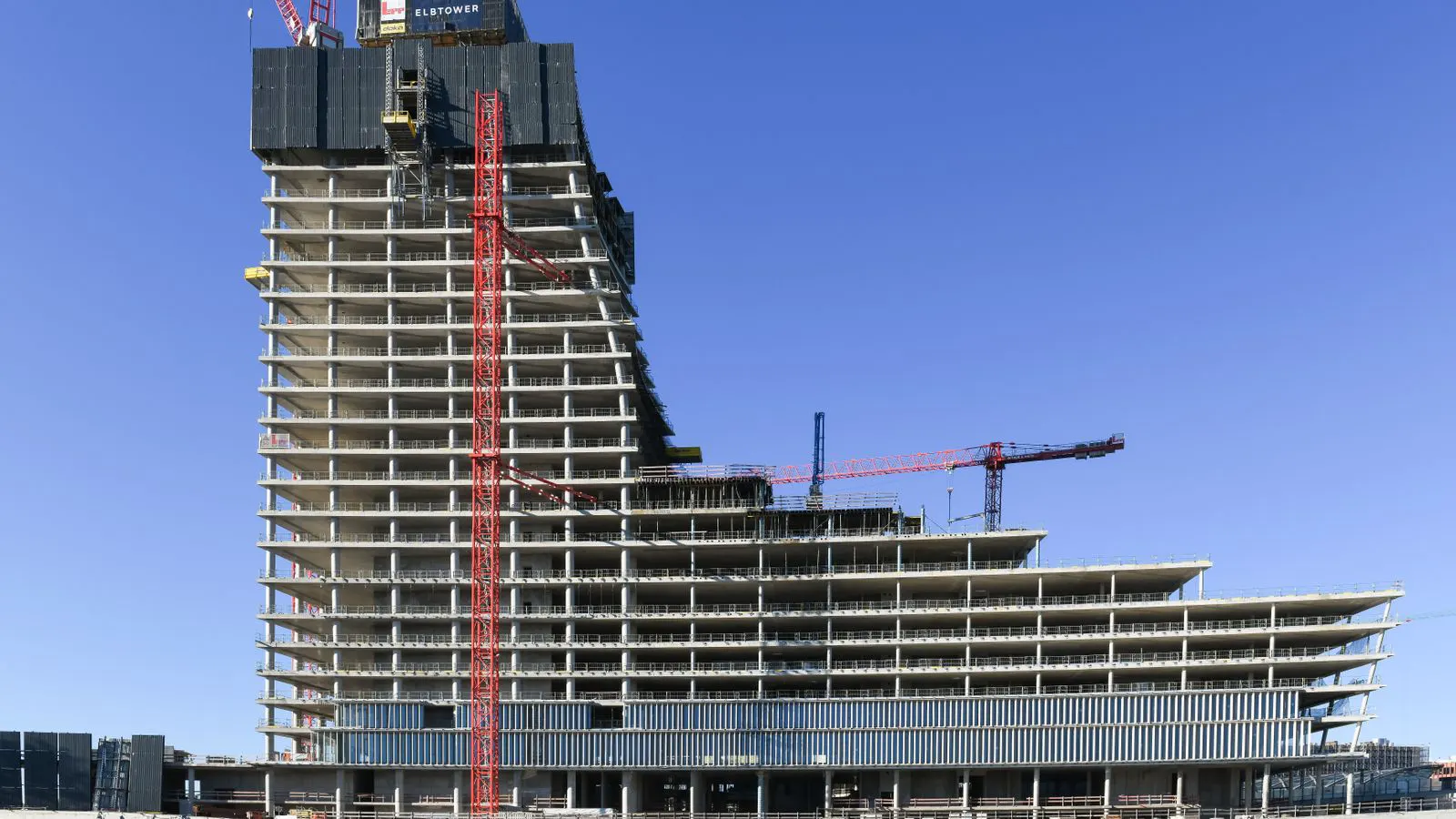
Aluminum formwork for high-rise construction is shifting toward longer service life, lighter modular systems, and digital procurement. Buyers should plan for standardization, connection reliability, and maintenance contracts to extend panel life and reduce cost per cycle.
- Standardize panel sizes and connection types to reduce inventory complexity.
- Prioritize corrosion resistance and surface finish over short-term unit price.
- Plan maintenance and reconditioning into the total cost of ownership.
- Use digital takeoffs and connection data to simplify procurement and site checks.
- Evaluate system compatibility with formwork, shoring, and concrete placement methods.
What is changing in high-rise aluminum formwork use
High-rise concrete work has moved away from one-off timber systems toward repeatable, modular formwork that can be lifted, reused, and reconfigured across many storeys. Aluminum formwork is gaining share in this shift because it holds shape, resists moisture, and can be reused across many cycles if maintained properly. The change is not only about the material. It is about how panels, connectors, and lifting points are designed as a system.
Buyers are now evaluating formwork less as a list of panels and more as a working set. A set that lifts cleanly, connects quickly, and survives form release without warping is worth more than a set with a low sticker price. The practical question is whether the system can support the concrete cycle, the crane capacity, the site access, and the schedule.
How panel design is becoming more modular
Panel design is trending toward smaller, lighter, and more interchangeable units. Instead of large fixed sheets, manufacturers and buyers are moving toward modular bays that can be joined to form different wall, column, and core shapes. This flexibility reduces the number of unique part numbers a project must carry.
A typical high-rise core wall may use a mix of standard bay sizes, corner pieces, and tie supports. When the set is modular, the same bay can serve a different floor if the formwork layout changes. This reduces the need to fabricate unique panels for each level.
The trade-off is that modular systems can require more connectors. More connections mean more potential failure points if the system is not designed carefully. Buyers should check connector load ratings, tolerance for misalignment, and the method for locking panels during concrete placement.
What buyers should expect from surface finish and corrosion resistance
Surface finish has become a major decision point. A well-finished aluminum panel releases concrete cleanly and reduces the number of repair cycles between uses. Poor finish can leave a rough surface, cause bond defects, or create staining that affects the final concrete appearance.
Corrosion resistance matters more than appearance. Aluminum naturally forms an oxide layer, but the performance depends on alloy, surface treatment, and exposure. In coastal zones, high humidity, or areas with aggressive form release agents, the finish can deteriorate faster. Buyers should ask how the finish is protected, whether the panel is rated for repeated wet cycles, and what happens when a surface is scratched or abraded.
A practical check is to inspect a sample panel after several dry and wet cycles. Look for pitting, discoloration, or loss of release. Also check the edges and corners, where damage happens most often during lifting and stacking.
How connection systems are improving
Connection reliability is one of the strongest differentiators between formwork sets. High-rise work often involves lifting panels into position with small crews. If a connection is slow or awkward, the crew spends time fighting the system instead of placing it.
The trend is toward connections that are simple to engage but secure enough for wet concrete pressure. This can mean improved pin types, clearer alignment features, or standardized spacing between connection holes. A well-designed connection system also makes inspection easier. If a pin is missing or a clamp is loose, the problem should be visible without special tools.
Buyers should evaluate the connection system under realistic conditions. Ask how many connections are needed per panel, how long a two-person crew takes to complete a bay, and whether the system allows for partial formwork removal while the concrete is still curing.
What standardization means for procurement
Standardization is changing procurement from a project-specific purchase to a platform-based one. Instead of buying a set for one building, a company may buy a core set that covers most high-rise wall and core shapes. The set may be supplemented with special panels for unusual columns, balconies, or openings.
This approach reduces inventory risk. A standard set can be moved between projects if the connection and panel sizes are compatible. It also simplifies training. Site crews can learn one system instead of a different layout for every job.
The cost structure changes too. A larger standard set may cost more upfront, but the cost per cycle can fall when the same panels are reused across many projects. Buyers should compare the total cost over a project portfolio, not just the price per panel for a single building.
How digital takeoffs and connection data are affecting planning
Concrete formwork planning is increasingly supported by digital takeoffs. A digital model can show the number of panels, the connection layout, the lifting points, and the sequence of formwork erection and removal. This data helps procurement teams order the right parts and helps site teams check the set before concrete placement.
The practical benefit is fewer surprises. If a connection is missing, or a bay is too short, the problem can be caught before the formwork is lifted. It also helps with maintenance. A digital record can track which panels have been through many cycles and which connections need replacement.
Buyers should ask whether the formwork supplier can provide connection data in a usable format. A simple spreadsheet with part numbers and connection counts is useful. A digital model is better if the project team already uses one.
How maintenance and reconditioning are becoming part of the purchase decision
Maintenance is no longer an afterthought. Aluminum panels are durable, but they are not indestructible. Edges can dent, pins can wear, and the surface can lose release after many cycles. The condition of the set depends on how it is stored, handled, and repaired.
The trend is to plan maintenance as part of the purchase. This can include a reconditioning contract, a replacement parts package, or a service plan that covers panel repair and connection replacement. A well-maintained set can last many more cycles than a set that is only repaired when a failure occurs.
Buyers should define the maintenance plan before the set is placed on site. Ask who is responsible for repair, what the turnaround time is, and whether replacement parts are available for the connection types used. A clear plan prevents small damage from becoming a large problem.
How to prepare for these trends
To prepare for the coming shifts, buyers should take a structured approach to formwork selection. The goal is not to buy the cheapest set. The goal is to buy a set that fits the concrete cycle, the site conditions, and the long-term use plan.
The following table summarizes the main areas to review when evaluating an aluminum formwork set for high-rise work.
| Area to review | What to check | Why it matters |
|---|---|---|
| Panel size and shape | Bay dimensions, corner pieces, edge profiles | Affects layout flexibility and inventory count |
| Connection type | Pin, clamp, or lock mechanism, load rating | Affects erection speed and concrete pressure resistance |
| Surface finish | Release quality, corrosion treatment, repair method | Affects concrete surface and panel life |
| Lifting system | Hook type, lifting point spacing, load capacity | Affects crane use and crew safety |
| Maintenance plan | Repair process, replacement parts, service contract | Affects long-term cost and availability |
A practical preparation process can be broken into five steps.
- Map the concrete elements. List the wall types, column sizes, core shapes, and openings that the formwork must cover. This creates the basis for panel selection.
- Define the site conditions. Note crane capacity, access constraints, weather exposure, and concrete placement method. These factors determine which system will work on site.
- Evaluate the set as a system. Do not compare panels in isolation. Compare the panel, connection, lifting, and maintenance system together.
- Test the connection process. If possible, have a small crew assemble a bay and time the process. This reveals whether the system is usable under real conditions.
- Plan the maintenance cycle. Decide how often panels will be inspected, how connections will be replaced, and who will perform the work.
These steps help buyers move from a short-term purchase to a long-term asset. The system that works well in the first few cycles is the one that continues to work after many.
What to avoid in the next round of high-rise formwork planning
The biggest mistake is to choose a set based on unit price alone. A cheaper panel can become expensive if it warps, loses release, or requires frequent replacement. The second mistake is to ignore the connection system. A good panel with a poor connection can cause delays and defects.
A third mistake is to buy a set that does not match the project sequence. If the formwork is designed for a different concrete placement method, the crew will spend extra time reworking the layout. The formwork must fit the concrete, not the other way around.
A fourth mistake is to leave maintenance undefined. If no one is responsible for repair and replacement, the set will degrade faster than expected. A clear maintenance plan protects the value of the purchase.
The direction of aluminum formwork is clear. The material is moving toward longer service life, simpler connections, and better digital planning. Buyers who plan for these shifts will have more predictable costs, fewer site problems, and a formwork set that performs across multiple projects.
Frequently asked questions
How should buyers evaluate aluminum formwork for high-rise work?
Evaluate the set as a system, not just the panels. Check panel size, connection type, lifting points, surface finish, and maintenance plan.
Why is connection reliability important in aluminum formwork?
Connections hold panels under wet concrete pressure. If they are slow or weak, the system can cause delays, defects, or safety issues.
What is the difference between a standard set and a project-specific set?
A standard set uses common panel and connection sizes that can be reused across projects. A project-specific set is designed for one building and may not be reusable.
How does surface finish affect formwork life?
A good finish releases concrete cleanly and resists staining and corrosion. A poor finish can require more repair and reduce the number of usable cycles.
What role does digital takeoff play in formwork planning?
Digital takeoff helps count panels, plan connections, and sequence erection and removal. It reduces errors and supports maintenance tracking.