Aluminum vs Timber Formwork: Durability and Reuse Comparison
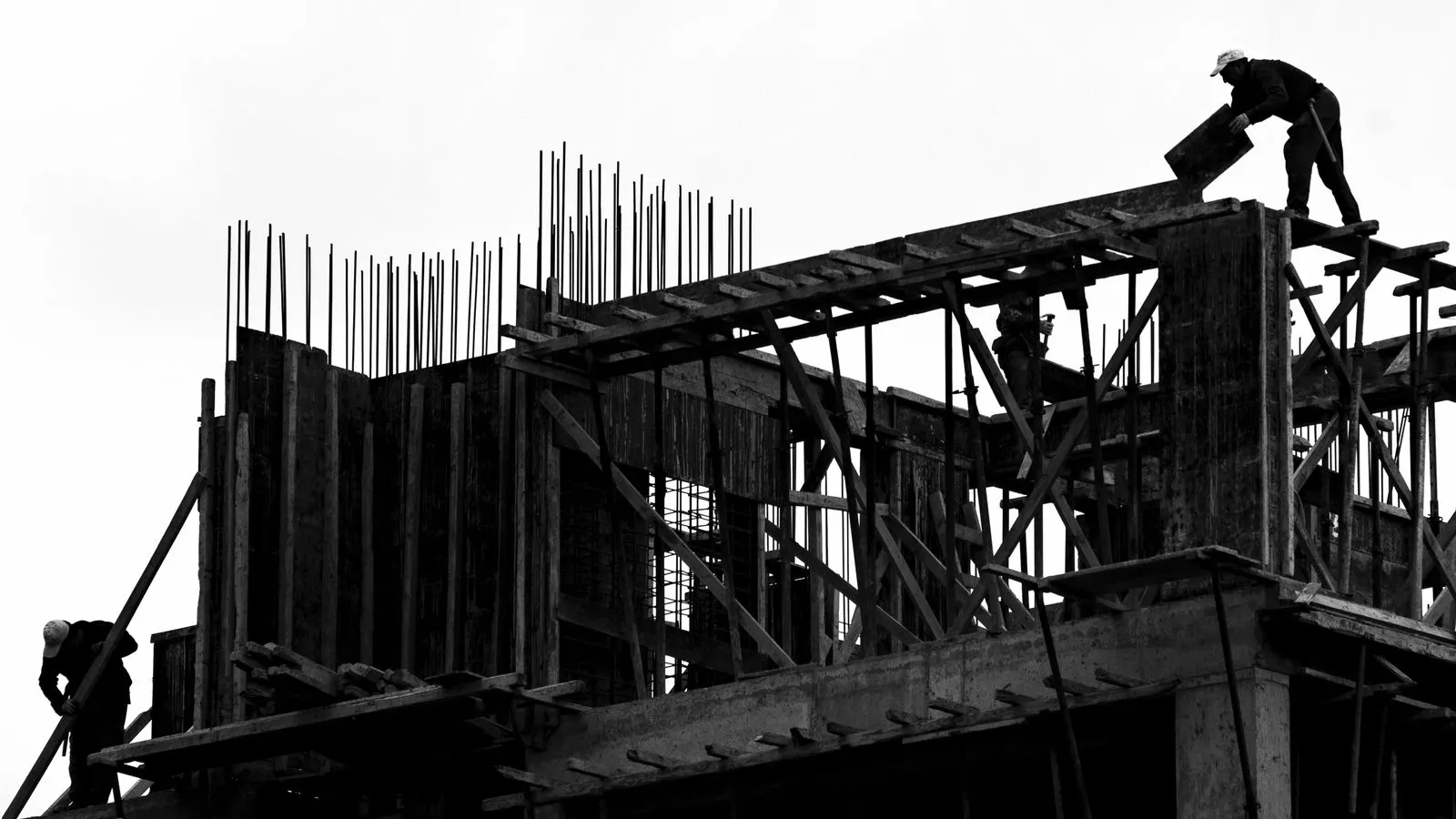
Aluminum formwork systems offer higher reusability, lower long-term maintenance, and predictable panel life, while timber formwork suits one-off pours with lower upfront cost and simpler handling. The best choice depends on project volume, cycle time, and site logistics.
- Aluminum formwork systems typically deliver more reuse cycles and less maintenance than timber formwork over multiple projects.
- Timber formwork remains practical for one-off or low-volume pours where upfront cost and handling simplicity matter.
- Lifecycle analysis should include panel replacement, repair, storage, and site handling, not just purchase price.
- Aluminum panels need careful edge protection and corrosion control, while timber needs moisture and rot management.
- Choosing based on project volume, cycle time, and logistics gives a clearer decision than price alone.
What Drives the Aluminum vs Timber Formwork Choice
Formwork selection is usually a lifecycle decision, not just a material choice. A project team compares the number of pours, the cycle time between stripping and repouring, the storage conditions, and the labor available for setup. Aluminum formwork systems and timber formwork differ in how they age, how they are repaired, and how many cycles they can withstand before replacement.
Timber formwork is often the default for small or one-off pours. It is easy to cut, bolt, and stack. The panels are lightweight enough for small crews to move. The upfront cost is usually lower than aluminum or steel, which makes it attractive when the formwork will not be reused much.
Aluminum formwork systems take a different approach. The panels are prefabricated, modular, and designed for repeated assembly. The connections are engineered for alignment and load. The trade-off is higher initial cost. The value comes from reusability and lower maintenance over time.
How Reusability Changes the Lifecycle Cost
Reusability is the core difference between the two options. Timber panels degrade with each cycle. Edges chip, fasteners back out, and surfaces warp. A timber formwork set may be usable for several pours, but the usable life often depends on handling and moisture exposure.
Aluminum panels hold their shape better. The metal does not splinter, rot, or absorb water. A well-protected aluminum formwork system can be stripped, cleaned, and reassembled for many cycles. The connections may need adjustment, and the surfaces may need cleaning, but the structural life is generally longer.
The real cost comparison happens when you count the whole lifecycle. A timber set might cost less to buy, but it may need new panels after a few projects. An aluminum set costs more to buy, but it can span many projects with only minor repairs.
A practical example helps. A site that pours 20 small columns per week in a single building might use timber formwork because the panels are only on site for a short period. The same site, if it pours 200 columns per week across multiple buildings, may benefit from aluminum formwork systems because the panels return to service repeatedly.
Durability and the Types of Damage
Durability is not just about strength. It is about how the material reacts to the job site. Timber is organic. It absorbs moisture, swells, shrinks, and can rot. In a wet environment, timber panels can lose stiffness quickly. The edges are vulnerable to impact damage, and a single dropped corner can make a panel unusable.
Aluminum is non-porous and does not absorb water. It resists rot and does not splinter. The main risks are surface damage, edge deformation, and corrosion if the protective finish is damaged. Aluminum panels can be dented, and a badly dented panel may no longer hold a flat plane. The finish can be scratched, which can affect the concrete surface finish if not cleaned or repaired.
The repair methods differ too. A chipped timber edge can be glued, clamped, or replaced. A warped timber panel may need sanding or replacement. An aluminum panel can often be straightened if the dent is small. A scratched finish can be cleaned and re-coated. A badly deformed aluminum panel may need replacement, but the damage is usually localized.
Maintenance frequency is another factor. Timber formwork often needs routine inspection after each cycle. Fasteners may loosen. Surfaces may need cleaning. Aluminum formwork systems also need inspection, but the focus is on connection tightness, edge condition, and surface coating. The maintenance is more predictable because the material does not degrade in the same way.
Maintenance and Storage Requirements
Storage is where the two options diverge sharply. Timber formwork must be kept dry. Stacked timber in open storage can absorb moisture from the ground or rain. If the panels are not elevated and protected, they can warp or rot before the next project. The site must manage moisture control, which adds labor and time.
Aluminum formwork systems are easier to store. They do not need moisture protection in the same way. They can be stacked outside, though edge protection and cover are still recommended to prevent corrosion and surface damage. The panels can be left on site between projects with less risk of degradation.
Handling also changes. Timber panels are light but bulky. They are easy to move by hand, but they take up space. Aluminum panels are heavier per unit area. They may need mechanical aid for stacking or transport. The connections are designed for alignment, which can speed up assembly once the panels are in place.
A site with limited storage space may find timber formwork easier to manage. A site with regular access and a stable storage area may prefer aluminum formwork systems because the panels stay in service longer.
When to Choose Timber Formwork
Timber formwork is the right choice when the project has low reuse potential. If the formwork is used for a single building or a short sequence of pours, the higher cost of aluminum may not pay back. The labor to set up and strip timber is straightforward, and the panels can be cut to size on site if needed.
Timber formwork is also suitable when the concrete surface finish is not a high-priority specification. The natural surface of timber can leave a textured finish on the concrete, which may be acceptable for some applications. If the project requires a smooth, clean finish, aluminum or steel formwork may be a better fit.
Logistics matter. If the site is remote and delivery of prefabricated aluminum panels is difficult, timber may be easier to source and handle. The panels can be delivered in smaller bundles and assembled on site. There is less need for precise alignment of factory-made connections.
The decision often comes down to volume. If the formwork will be used for a few cycles, timber is practical. If the formwork will be used for many cycles, the economics shift toward aluminum.
When to Choose Aluminum Formwork Systems
Aluminum formwork systems are the right choice when reuse is high. A project team that pours many cycles of similar sections will benefit from the longer panel life and lower maintenance. The modular design allows the same panel set to be reassembled with minor adjustments.
Aluminum is also preferred when surface finish matters. The smooth, flat panels produce a cleaner concrete surface. This is useful for visible structures, facades, or high-specification interiors. The panels can be cleaned and maintained to keep the finish consistent.
The connection system is a key advantage. The panels lock into place with engineered joints. This reduces the need for extensive bracing and alignment checks. Setup time can be shorter once the crew is familiar with the system. The panels also resist deformation better, which helps maintain panel plane and reduces concrete defects.
The initial cost is the main barrier. The procurement team must budget for a higher upfront investment. The payback period depends on the number of cycles and the project schedule. A team that can use the panels across multiple projects will see the value. A team that uses them for one project may not.
Quick Comparison Table
| Option | Best for | Limitations |
|---|---|---|
| Aluminum formwork systems | High-reuse projects, smooth finish, long panel life | Higher upfront cost, heavier panels, careful edge protection needed |
| Timber formwork | One-off pours, low reuse, simple handling | Shorter panel life, moisture-sensitive, more routine maintenance |
| Mixed approach | Projects with varied cycle counts | Requires separate storage and handling for both |
| Prefabricated aluminum sets | Repetitive concrete sections, fast assembly | Limited flexibility for irregular shapes |
| Custom timber panels | Irregular shapes, short runs | Higher labor for cutting and assembly |
A Practical Lifecycle Check
Before selecting, run a simple lifecycle check. Count the expected number of pours. Estimate the cycle time between stripping and repouring. Check the storage conditions on site. Review the labor available for setup and maintenance. Compare the purchase cost against the replacement cost for each material.
A common mistake is to compare only the purchase price. The real cost includes panel replacement, repair, storage, and labor. A timber set that needs new panels after every project may cost more over time than an aluminum set that lasts for years.
The decision is not just technical. It is also about site management. A team that can protect aluminum panels and manage their connections will get more value from the system. A team that cannot manage moisture for timber will see shorter panel life and more replacement.
The best choice is the one that matches the project volume, the finish requirement, and the site conditions. For most high-volume, multi-cycle projects, aluminum formwork systems offer a clearer lifecycle advantage. For short, low-volume work, timber formwork remains practical and often more economical.
Frequently asked questions
How many reuse cycles can aluminum formwork systems handle compared to timber?
Aluminum formwork systems generally support many more cycles than timber because they resist moisture, rot, and edge damage. The exact number depends on handling, storage, and maintenance, but the panel life is typically longer.
Is timber formwork ever better for large projects?
Timber formwork can be better for large projects with low reuse or short schedules if the panels are only needed for a limited number of pours. The lower upfront cost and simple handling can make it practical in those cases.
What maintenance does aluminum formwork require?
Aluminum formwork systems need inspection of connections, edge protection, and surface coating. Panels should be cleaned, and damaged edges or finishes should be repaired to keep the concrete surface quality consistent.
Can I mix aluminum and timber formwork on the same site?
Yes, but the site needs separate storage and handling for each. Mixing can work when part of the project has high reuse and part has low reuse, but the logistics must be managed clearly.
How does surface finish affect the choice?
Aluminum panels produce a smoother concrete surface, which is useful for visible or high-specification work. Timber can leave a textured finish, which may be acceptable for non-visible or lower-spec applications.