Pre-Use Inspection Checklist for Steel Formwork Systems
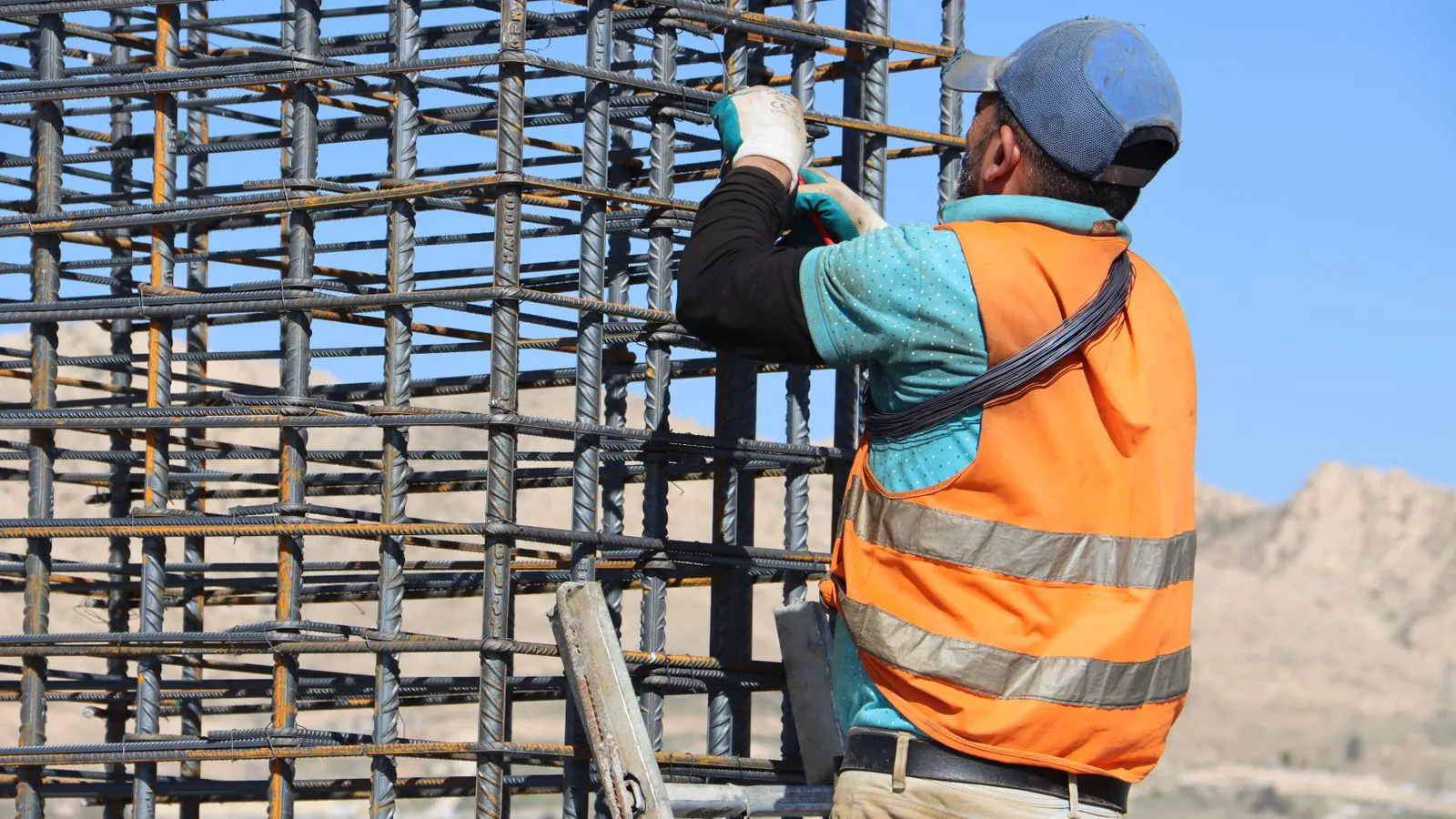
Verify steel formwork is safe by checking panels, connectors, props, and supports against formwork safety standards. This checklist guides inspectors through structural, connection, and environmental checks to identify red flags before a pour.
- Inspect formwork for bent panels, loose connectors, and damaged edges before every pour.
- Verify props, bases, and shores are plumb, level, and correctly spaced.
- Check that formwork safety standards are met for load capacity and material condition.
- Document defects and remove non-compliant components from service immediately.
- Re-inspect after rain, vibration, or any event that may affect structural integrity.
Why Pre-Use Inspection Matters for Steel Formwork
Steel formwork holds wet concrete under heavy pressure. A single loose connector or a bent panel can compromise the entire system. The pour is the point of no return. If formwork fails during a pour, the damage is immediate and severe.
Before any concrete is placed, the formwork must be verified as structurally sound. This is not a one-time task. It is a routine check that happens every time the system is set up, moved, or reconfigured. The inspector must look past surface appearance and verify the load path from panel to prop to base.
Structural Integrity Checks
Start with the primary steel elements. Panels are the face of the formwork. Look for bends, warping, or cracks in the steel skin. A panel that no longer sits flat against its neighbors creates a gap. That gap weakens the joint and allows concrete to escape.
Check the edges of every panel. The edges must be straight and undamaged. A dented edge prevents the panel from seating properly against the adjacent panel. If the edge is bent inward, the joint will not compress. If it is bent outward, the joint will open under load.
Inspect the internal ribs and stiffeners. These run perpendicular to the panel face and provide stiffness. Look for bent ribs or missing stiffeners. A panel with a missing stiffener may appear fine on the surface but will deflect more than the design allows.
Connector and Joint Verification
Connectors are where formwork fails most often. They are small, hidden, and easy to overlook. Check every connector at every joint.
A proper connector is fully seated. It should not be loose or partially engaged. If a connector is loose, the joint will open under the pressure of wet concrete. Tap each connector with a small hammer. A solid click means it is seated. A hollow sound means it is loose.
Look for corrosion on connectors. Rust is not just cosmetic. It reduces the cross-sectional area of the steel. A connector that is heavily rusted may break under load even if it appears tight. Replace any connector with significant surface rust.
Check the alignment of connectors across the joint. The male and female parts must match. If they are misaligned by even a few millimeters, the joint will not seat properly. Misalignment often happens when panels are not stored flat or when connectors are damaged during transport.
Prop, Shore, and Base Inspections
Props support the formwork. They must be plumb, level, and correctly spaced. Check the vertical alignment of each prop. A prop that leans even slightly reduces its load capacity. Use a level or a string line to verify plumbness.
Inspect the base plates. They must be flat and undamaged. A bent base plate concentrates load on a small area. This can crush the ground or deform the base of the prop. Check the sole boards or base plates under the prop. They must be level and firmly seated on the ground.
Look for damage to the prop tubes. Bent tubes are a serious defect. A bent prop will not carry load evenly. It may buckle under pressure. If a prop is bent, replace it. Do not straighten it in the field. Straightening a bent steel tube weakens the metal and creates a fatigue point.
Check the top connectors of the props. These connect the prop to the formwork. They must be fully engaged and tight. A loose top connector allows the formwork to shift during the pour.
Load Capacity and Design Verification
Formwork is designed for a specific load. The load includes the weight of the concrete, the weight of the formwork itself, and the weight of the workers and materials. Verify that the formwork is being used within its design limits.
Check the pour height. Pouring concrete faster than the formwork is designed to handle increases the lateral pressure. A high pour rate against a weak formwork joint can cause a blowout. Verify that the pour rate matches the formwork design.
Check the span of the formwork. Panels are rated for a specific span. If the span exceeds the rating, the panel will deflect. Deflection can cause the formwork to leak or fail. Verify that the span is within the manufacturer’s specifications.
Environmental and Site Conditions
Weather affects formwork. Rain can soften the ground. A soft ground will settle. A settling base plate will cause the formwork to shift. Check the ground conditions before each pour.
If the ground is wet or soft, add a sole board or base plate. A sole board spreads the load over a larger area. It prevents the base from sinking. Check that the sole board is level and firmly seated.
Wind can affect tall formwork. Wind creates lateral pressure on the panels. If the wind is strong, add bracing or tie the formwork to the structure. Check that all bracing is in place and tight.
Documentation and Sign-Off
Every inspection must be documented. The inspector must record the date, the formwork location, and the inspector’s name. Any defects found must be listed. The formwork must not be used until defects are corrected.
Use a standard inspection form. It should have a section for each check category. Mark each item as pass, fail, or not applicable. A failed item requires action. The action must be completed before the pour.
Keep a log of inspections. A formwork system is reused many times. The log shows the history of each panel and prop. If a panel fails, the log shows when it was last inspected and what defects were found. This helps prevent the same defect from recurring.
Red Flags and Immediate Action
Some defects require immediate removal from service. Do not attempt to repair them in the field. A bent panel, a loose connector, or a damaged prop must be taken out of service.
A red flag is any defect that compromises the load path. If you are not sure whether a defect is critical, treat it as critical. Remove the component and replace it.
Never ignore a leak. A leak indicates a joint failure. The joint will fail under load. Repair the joint before the pour.
Final Verification Before the Pour
Walk the entire formwork one last time. Look for any changes since the initial inspection. Check for loose connectors, bent panels, and damaged props.
Verify that all workers are clear of the formwork during the pour. Wet concrete is heavy. It moves. It exerts pressure. Keep people out of the zone.
Check the pour sequence. The pour should start at the center and move outward. This reduces the lateral pressure on the formwork. Do not pour against one side only.
Confirm that the formwork is ready. The inspector signs the form. The pour can begin.
Common Inspection Mistakes
Inspectors often skip the base plates. They focus on the panels and ignore the ground. A failed base plate can cause the entire formwork to shift.
Inspectors often miss loose connectors. They check the top of the formwork but not the joints. Joints are where formwork fails.
Inspectors often assume that used formwork is still good. Formwork wears out. Panels bend. Connectors rust. Props damage. Used formwork must be inspected with the same rigor as new formwork.
Formwork Safety Standards Compliance
Formwork safety standards define the minimum requirements for design, material, and inspection. They set the rules for load capacity, connection integrity, and base support.
The standards require that formwork be designed for the specific load. They require that materials meet the specified grade. They require that inspection be performed before each use.
Compliance is not optional. It is the law in most jurisdictions. A formwork failure that causes injury or death can result in serious legal consequences.
When to Call a Specialist
Some defects are beyond the scope of a routine inspection. A major structural failure, a complex crack pattern, or an unknown load condition may require a structural engineer.
If you are unsure, call a specialist. Do not guess. A structural engineer can verify the load path and design. They can provide written confirmation that the formwork is safe.
Use a specialist when the formwork is being used in an unusual way. If the formwork is being used for a taller pour than usual, or for a wider span, or in an unusual location, a specialist should be consulted.
Maintenance and Storage
Proper maintenance extends the life of the formwork. Clean the panels after each use. Remove concrete residue. Dried concrete is abrasive. It damages the panel surface.
Store formwork flat. Stacked panels can bend. Use a rack or a flat surface. Do not store panels on a slope.
Store props upright. Bent props are common. Upright storage prevents bending.
Keep connectors in a container. Lost connectors are a common cause of formwork failure. A missing connector means a loose joint.
Seasonal Considerations
Winter brings frost. Frost can crack the ground. A cracked ground can cause base plates to shift. Check the ground conditions after frost.
Summer brings heat. Heat can soften the ground. Check the sole boards and base plates. They must remain level.
Rain brings mud. Mud is soft. It settles. Check the sole boards. They must be level and firm.
Final Checks Before Pouring
Walk the formwork one last time. Look for any changes. Check for loose connectors, bent panels, and damaged props.
Verify that the pour sequence is planned. The pour should start at the center. It should move outward.
Confirm that the formwork is signed off. The inspector has signed the form. The pour can begin.
Keep the inspection form on site. It is a legal document. It shows that the formwork was inspected and found safe.
Frequently asked questions
How often must steel formwork be inspected?
Steel formwork must be inspected before each use, after any movement or reconfiguration, and after any event that may affect its integrity.
Can a bent panel be straightened in the field?
No. A bent panel must be replaced. Straightening a bent steel panel weakens the metal and creates a fatigue point.
What is the most common cause of formwork failure?
Loose connectors and damaged base plates are the most common causes of formwork failure. Both compromise the load path.
What should be done if a defect is found during inspection?
Remove the defective component from service. Do not use it until it is repaired or replaced. Document the defect and the action taken.
Are formwork safety standards the same in all countries?
No. Formwork safety standards vary by country and region. Always check the local standards and manufacturer specifications before use.