Scaffold Rental vs Purchase: A Cost Comparison Guide
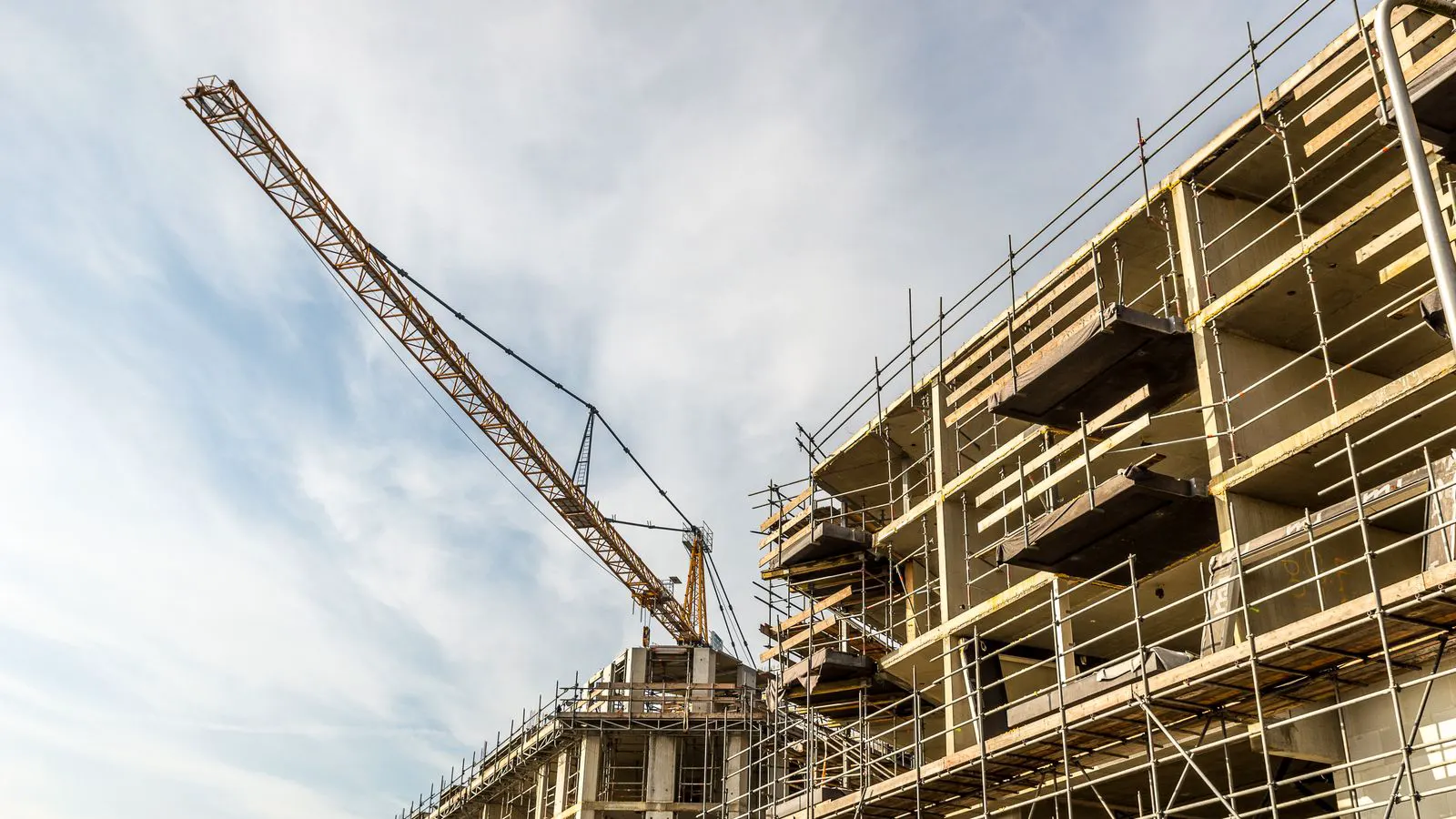
Choose scaffolding purchase or rental based on project duration, frequency of use, and budget constraints. Rental suits short jobs, while buying reduces long-term costs for repeated needs.
- Rental costs apply per unit per day, making short-duration projects cheaper than buying.
- Purchase involves high upfront capital but lowers per-use cost for recurring projects.
- Factor in storage, maintenance, and transport before choosing between buying and renting.
- A hybrid model often balances cash flow with long-term asset ownership.
- Always request itemized quotes that include delivery, erection, and dismantling fees.
What drives the real cost of scaffolding?
The decision between renting or purchasing scaffolding depends on more than the sticker price. A single frame might cost a small amount to rent per day, but buying requires capital that could be tied up for months. The true cost includes delivery, erection, dismantling, storage, and maintenance.
For a two-week site setup, rental keeps cash free for labor and concrete. For a multi-year development using the same tower scaffolding across phases, purchase cuts the repeated rental line items. The break-even point varies by job type and local market rates.
When does scaffolding purchase make financial sense?
Buying equipment makes sense when a company uses the same system repeatedly. A formwork contractor building multiple high-rise slabs will buy adjustable formwork frames and tower scaffolding to avoid paying daily rates each cycle.
Once owned, the asset serves multiple projects. The purchase price spreads over many uses. Maintenance becomes a controlled cost rather than a daily unknown. If a site needs a specific height or a niche component, buying that component prevents repeated rental markups.
When does scaffolding rental make financial sense?
Rental suits one-off projects or short-duration sites. A single residential build that needs scaffolding for three weeks rarely justifies buying a full set. The daily rate covers delivery and pickup, and there is no need to store the frames after the job.
Rental also suits emergency repairs or unexpected extensions. A contractor facing a sudden scope change can pull in a supplier and have the system on site in days. No capital outlay is required, and the supplier handles compliance checks on the equipment.
How do delivery and labor fees change the math?
A quote that lists only the frame price is incomplete. Delivery distances, crane access, and site conditions add fees. Erection and dismantling time depends on the number of workers and the complexity of the layout.
Purchase quotes must include transport to the site. Rental quotes often bundle delivery and erection, but some suppliers charge separately. A long-haul delivery on a purchase can cost as much as a week of rental.
What are the storage and maintenance costs for owned scaffolding?
Owned scaffolding needs a storage area. Pallets, racks, or a dedicated shed protect frames from rust and damage. A small storage fee or a small section of a warehouse adds to the annual cost.
Maintenance requires routine checks. Pins, couplers, and base plates wear over time. Replacing damaged parts is cheaper than buying a new set, but it still costs money and labor. A rental supplier absorbs this cost into the daily rate, so the customer never sees it.
How should a project team compare the two options?
Use a simple cost comparison table to see which option fits the project timeline and use frequency. The table below lists the main options and their trade-offs.
| Option | Best for | Limitations |
|---|---|---|
| Rental | Short projects, one-off builds, emergency work | Daily rates add up over time; no asset value |
| Purchase | Frequent use, multi-site contractors, long projects | High upfront cost; storage and maintenance required |
| Hybrid | Mixed project types, phased builds | Requires managing two supply sources |
| Lease | Medium-term projects, capital-constrained buyers | Long-term commitment; limited flexibility |
| Second-hand purchase | Low-budget sites, non-critical areas | Quality varies; hidden wear; shorter lifespan |
What is the hybrid approach for mixed project portfolios?
Many contractors use a hybrid model. They own the core set of frames and towers that they use on nearly every site. They rent out the surplus or add extra height when a project exceeds the owned set. This balances cash flow with asset ownership.
A formwork company might buy the standard adjustable formwork panels because they use them on every slab. They rent the specialty bracing or the long-span beams only when a specific design requires them. The owned set keeps the base cost down, while the rental covers the peaks.
What documents should be checked before signing a contract?
Check the itemized quote. Look for the unit rate, the quantity, the delivery fee, and the erection fee. Confirm the cancellation policy. If the project extends, ask how the rate changes after a certain number of days.
For purchase, check the warranty and the return policy for damaged parts. Confirm the expected lifespan of the components. Ask for the maintenance schedule and who handles the inspection records.
What common mistakes raise the final cost?
Ordering too much scaffolding is a common mistake. If a project needs a single tower but the contractor buys a full set, the extra frames sit in storage and cost maintenance. If a project needs a special height and the contractor rents a standard set, they pay for two days of work that could have been one.
Another mistake is ignoring transport. A short drive to the site is cheap. A long haul with a crane adds a significant fee. Always check the site access before signing.
How does lead time affect the final quote?
Lead time changes the cost. A standard set can be delivered in days. A special component or a large order may take weeks. If the project timeline is tight, the rental price goes up to cover the rush. If the project can wait, the rental price stays lower.
For purchase, the lead time is the factory production time. A large order may take longer to produce. The project schedule must account for this time so the site does not stop waiting for the frames.
What is the final cost comparison?
The final cost depends on the project size and the use frequency. A small job with a short timeline favors rental. A large job with a long timeline and repeated use favors purchase. The best choice is not always the cheapest option. It is the option that fits the project schedule and the company’s capital position.
A project team should calculate the total cost of ownership for both options. Include delivery, labor, storage, maintenance, and disposal. The option with the lower total cost is the right one.
What are the risks of choosing the wrong option?
Choosing the wrong option can cause delays. If a contractor buys scaffolding and the project ends earlier than expected, the asset sits idle. If a contractor rents and the project extends, the daily rate adds up quickly.
There are also quality risks. A rented set may be well-maintained. A purchased set may have hidden damage if it is second-hand. Inspect the equipment before signing.
What is the best way to decide?
The best way to decide is to run the numbers. List the project duration. List the quantity of scaffolding needed. Get three quotes from suppliers. For purchase, get a quote for the full set. For rental, get a quote for the same set for the full duration. Add the hidden costs. Choose the option with the lower total cost and the better risk profile.
A project manager should also consider the cash flow. A purchase requires a large upfront payment. A rental requires a smaller payment each month. The company’s cash position determines which option is possible.
What should be done after the decision?
After the decision, sign a contract that covers all the costs. For rental, confirm the delivery date and the erection date. For purchase, confirm the delivery date and the warranty terms.
Keep the records. For rental, keep the invoices. For purchase, keep the purchase order and the maintenance log. These records help with the next project and with tax claims.
Frequently asked questions
How long does it take to get a rental quote?
A standard quote can be provided within a few hours if the site details are clear. Complex projects may take a few days for the supplier to plan the delivery and erection.
What is the main advantage of buying scaffolding?
Buying reduces the cost per use over time. It also gives full control over the equipment and its maintenance schedule.
When is rental cheaper than purchase?
Rental is cheaper for short projects or one-off jobs. The daily rate is lower than the capital cost of buying a full set.
What should I check in a rental contract?
Check the unit rate, the delivery fee, the erection fee, and the cancellation policy. Confirm what happens if the project extends.