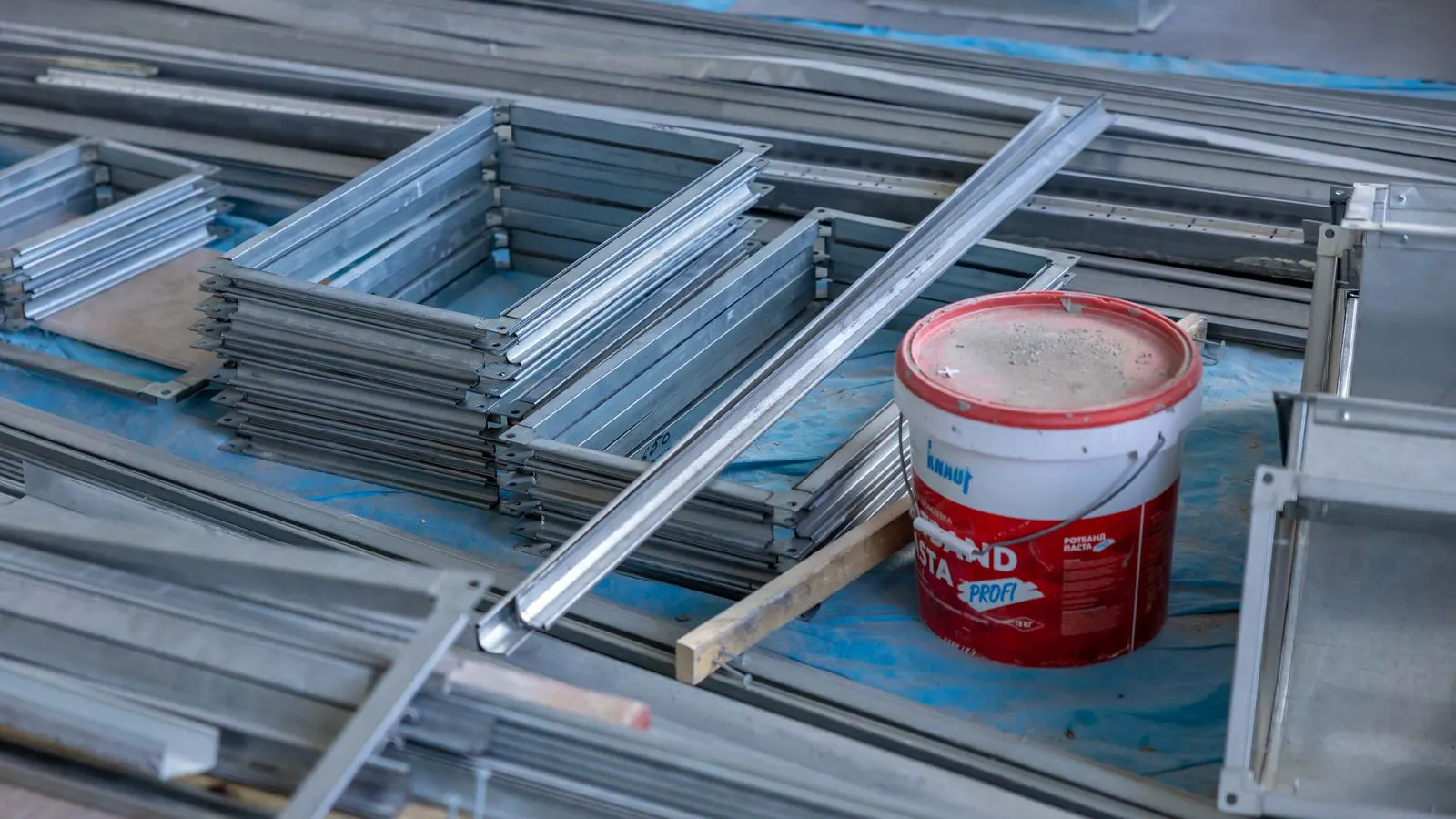
What Are Aluminum Formwork Panels?
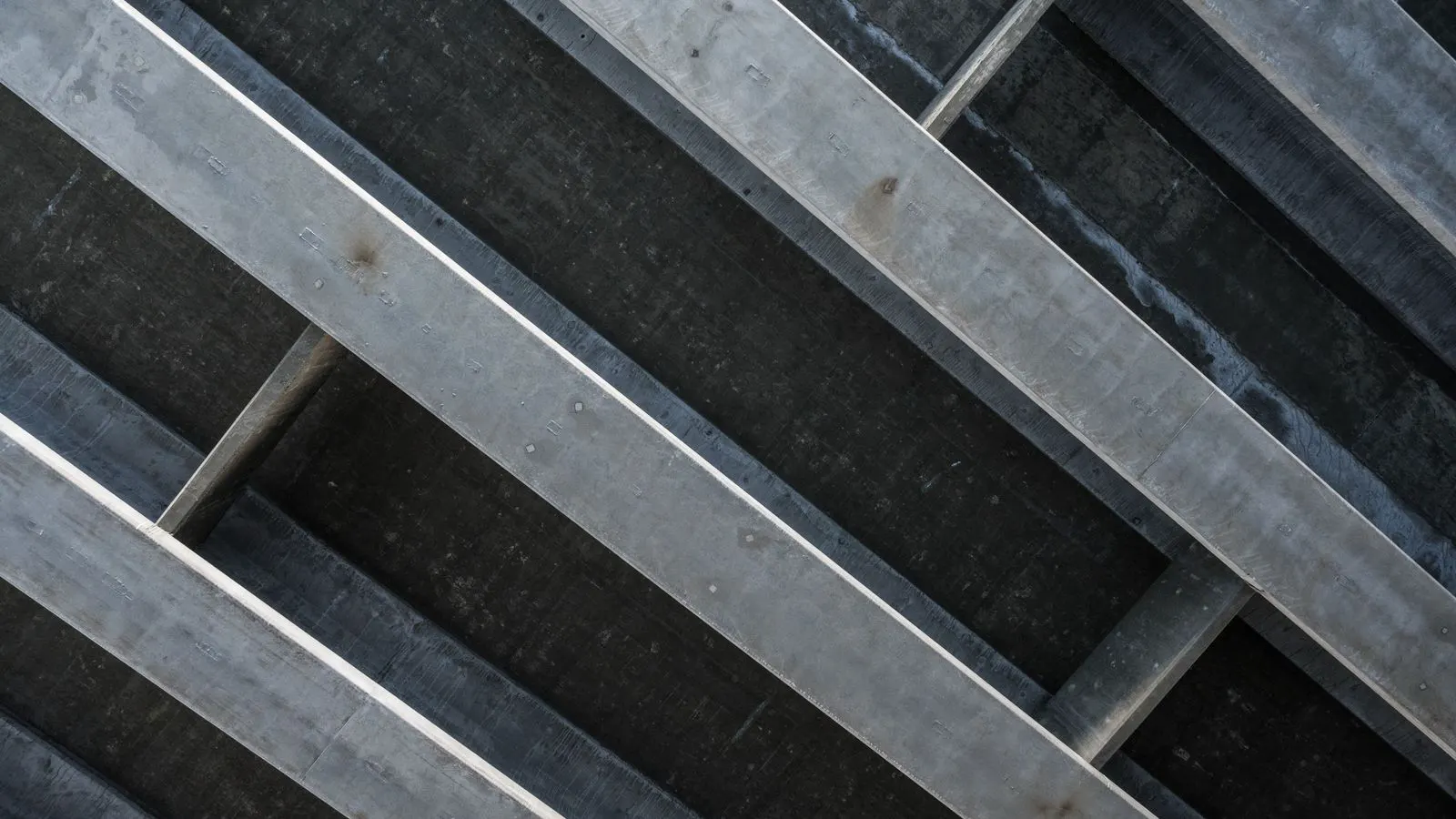
Aluminum formwork panels are lightweight, modular molds used to shape concrete. They consist of face plates, supports, and connectors. Choosing the right components depends on height, repetition, and site access constraints for efficient formwork systems.
- Aluminum formwork panels combine face plates with support frames to hold concrete during curing.
- Panel types vary by shape and connection method, affecting assembly speed and fit.
- Edge profiles, connectors, and lifting hardware determine handling, reuse, and final surface finish.
- Sourcing decisions depend on project height, repetition count, and site access limits.
- A clear checklist of components prevents on-site delays caused by missing or incompatible parts.
What Is an Aluminum Formwork Panel
An aluminum formwork panel is a prefabricated mold that shapes concrete until it cures. It is not a single sheet of metal. Each panel is a system of connected parts that work together to hold form, resist pressure, and transfer loads to the ground or a structure.
The core part is the face plate. This is the surface that touches the wet concrete. Behind it, a rigid frame keeps the face flat and the panel stiff. Connectors hold panels together to build larger walls or slabs. Lifting hardware allows crews to move the whole assembly.
Because the parts are modular, the same panel can appear in many configurations. A low wall might use three panels wide. A high column might stack panels vertically. A slab edge might use a different profile. Understanding each component helps you see how the system behaves on site.
Main Components of Aluminum Formwork Systems
The face plate is the most visible part. It is usually made of aluminum with a smooth or slightly textured finish. The finish affects the concrete surface. A smoother plate gives a cleaner finish. A textured plate can reduce streaks and improve release.
The support frame sits behind the face plate. It includes stiffeners, rails, and cross braces. These members keep the panel from bowing under the weight of the wet concrete. The frame also creates attachment points for connectors.
Connectors include clamps, bolts, pins, and sliding bars. They hold adjacent panels together. They also connect the panel to the formwork system or the supporting structure. The type of connector affects assembly speed. Some clamps are quick-release. Others require tools and torque.
Edge profiles are the sides of the panel. They protect the corners and help align panels. They also carry some load. Bent or damaged edges are a common site issue. They must be inspected before each use.
Lifting hardware includes rings, hooks, and straps. It allows the crew to move the panel safely. The hardware must be rated for the panel weight and the load it will carry.
How Panel Types Affect Sourcing
Formwork panel types are usually defined by shape, size, and connection method. Rectangular panels are common for walls. They stack vertically and align horizontally. Square panels are often used for columns and small walls. They are easier to handle but can be more expensive per square meter.
Round panels are used for columns, tanks, and pipe supports. They require different connectors and formwork components. The curvature means the face plate is shaped differently. The support frame must handle radial pressure.
There are also corner panels, end panels, and special shape panels. Corner panels join two walls at a right angle. End panels close off the ends of a wall. Special shapes fit headers, beams, and openings.
Sourcing decisions depend on the project mix. A high-rise building may use many rectangular panels and fewer round panels. A plant project may use many round panels and special shapes. The more varied the shapes, the more components you need to store and track.
A buyer should list the main panel types before ordering. They should also count the expected uses. A panel used in ten locations can be shared. A panel used in one location may need to be dedicated. This affects the number of unique components and the storage space needed.
How Components Influence Site Assembly
Assembly speed depends on the number of parts and the complexity of connections. A panel with simple clamps is faster to put together. A panel with many bolts takes longer. The crew must be trained for the specific system.
The face plate must be clean and straight. Dirt, oil, or paint on the face plate affects the concrete finish. It also affects release. A damaged face plate can be patched or replaced. A bent support frame can make the panel out of true.
The connectors must be tight. Loose connections can open under concrete pressure. This creates gaps and honeycombing in the concrete. The crew must check connections after the first pour.
The edge profiles must align. If one panel is higher than another, the joint will be visible. The edge profile also carries the load from the adjacent panel. A damaged edge can fail under load.
A Simple Sourcing Example
Consider a small warehouse project. The walls are 3 meters high and use rectangular aluminum formwork panels. Each wall section is 4 meters long. The project has six identical wall sections.
The buyer orders six sets of rectangular panels. Each set includes three face plates, three support frames, and the needed connectors. The edge profiles are included with the face plates. Lifting hardware is added for each panel.
Because the walls are identical, the same panels can be reused. The crew removes the panels from one wall, cleans them, and moves them to the next wall. This reduces the total number of panels needed.
Now consider a different project. The walls have different heights and openings. The buyer needs several panel sizes. Some panels are used only once. This increases the number of unique components. It also increases the storage space and the risk of losing parts.
The buyer can reduce this risk by using a standard set of panels and adding special shapes only where needed. The standard panels handle most of the work. The special shapes handle the openings and corners. This keeps the inventory manageable.
Key Checks Before Accepting Panels
Before accepting aluminum formwork panels on site, check the face plates. Look for dents, scratches, and paint. The surface should be smooth and free of debris.
Check the support frames. Look for bent stiffeners and cracked welds. The frame should be straight and rigid.
Check the connectors. They should be complete and undamaged. The clamps should open and close smoothly. The bolts should thread easily.
Check the edge profiles. They should be straight and undamaged. Bent edges are a common issue. They can be corrected if they are minor. Severe bends may require replacement.
Check the lifting hardware. It should be rated for the load. The rings and hooks should be free of cracks and deformation.
A site acceptance checklist is useful. It lists each component and its condition. It prevents missing parts from causing delays. It also creates a record for the project file.
Common Mistakes in Panel Selection
One mistake is choosing panels based only on cost. A cheaper panel may be harder to use. It may have fewer connectors or a heavier frame. The labor cost can be higher than the savings on the panel.
Another mistake is not considering the concrete pressure. The panel must be stiff enough to handle the weight of the wet concrete. A thin panel may bow. This creates uneven concrete and poor surface finish.
A third mistake is ignoring the site access. If the site is tight, large panels are hard to move. Smaller panels are easier to handle. They may require more connectors and more assembly time.
A fourth mistake is not planning for reuse. Panels that are not cleaned or stored properly will wear faster. They may develop rust spots or dents. This affects the concrete finish and the life of the panel.
How Panels Compare With Timber Formwork
Timber formwork is made from wood. It is cheaper upfront and easy to cut on site. It is not as reusable as aluminum. It can be damaged by water, insects, and heavy use.
Aluminum formwork is more expensive upfront. It is lighter and more reusable. It can be used many times. It gives a smoother concrete finish. It is easier to clean and store.
The choice depends on the project. A short project may use timber. A long project with many pours may use aluminum. The total cost includes the panel cost, the labor cost, and the reuse value.
Final Thoughts
Aluminum formwork panels are modular molds that shape concrete. They consist of face plates, support frames, connectors, and lifting hardware. The choice of panel type and components affects assembly speed, concrete finish, and total cost.
A buyer should define the project needs before ordering. They should list the panel types and the number of uses. They should check the components before accepting the panels on site.
The goal is a system that works well on site. It should be easy to assemble, easy to move, and easy to clean. It should give a good concrete finish and hold up over many uses.
Frequently asked questions
What is the main part of an aluminum formwork panel?
The face plate is the main part. It is the surface that touches the wet concrete and shapes the final surface.
How do I know how many panels I need?
Count the wall areas and openings. Divide the area by the panel size. Add a small margin for waste and damage.
Can aluminum panels be reused?
Yes. Aluminum panels are designed for reuse. They must be cleaned and stored properly to keep their life.
What is the difference between rectangular and round panels?
Rectangular panels are for flat walls. Round panels are for columns and curved surfaces. They have different shapes and connectors.
How do I check if a panel is damaged?
Look for dents, bends, and cracks. Check the face plate, support frame, connectors, and edge profiles.